
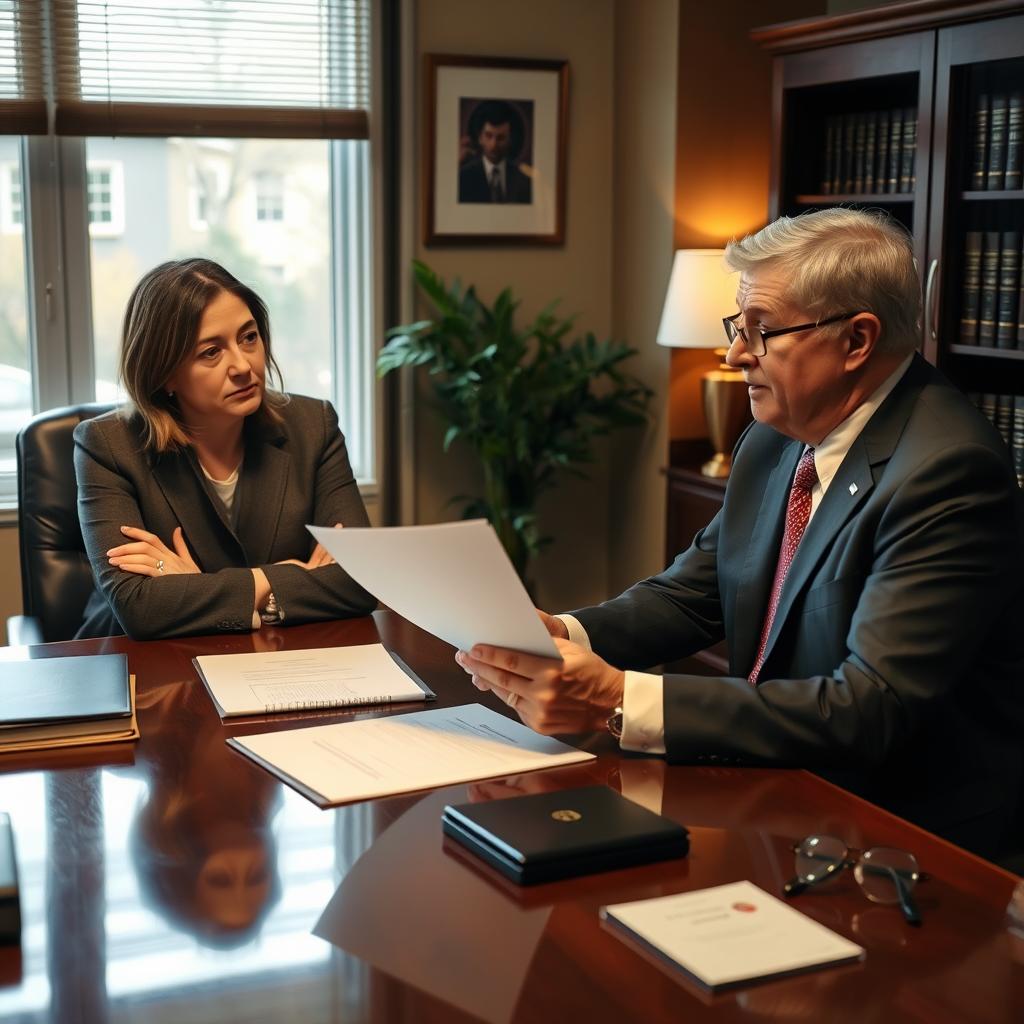
Obstruction of Justice lawyer Louisa County, VA
Federal obstruction of justice charges carry severe consequences, and when those charges arise in Louisa County, Virginia, the case will be prosecuted in the U.S. District Court for the Western District of Virginia. Obstruction of justice under 18 U.S.C. § 1503 and § 1512 encompasses interference with judicial proceedings, witness tampering, document destruction, and other acts meant to impede the administration of justice. The United States Attorney’s Office pursues these cases actively, often alongside investigations by the FBI, DEA, IRS-CI, or ATF. A conviction can lead to a prison sentence of up to 20 years under the federal sentencing guidelines, and because the federal system abolished parole in 1987, a defendant faces the full weight of the sentence handed down. For someone living in Louisa, Mineral, Zion Crossroads, or the surrounding region, the prospect of defending against a federal obstruction charge can feel overwhelming. Mr. Sris and his Of Counsel team at Law Offices Of SRIS, P.C. represent individuals from Louisa County in federal court, drawing on extensive experience in criminal defense to challenge the government’s case at every stage. Reach Law Offices Of SRIS, P.C. at (888) 437-7747. Law Offices Of SRIS, P.C. – Advocacy Without Borders.
What Obstruction of Justice Means in Louisa County, Virginia
Although Louisa County itself is home to the Louisa County General District Court, which handles state-level misdemeanors and traffic matters, federal criminal charges—including obstruction of justice—are litigated in the United States District Court for the Western District of Virginia. The closest federal courthouse for individuals in Louisa County is typically the Charlottesville Division, located at 255 West Main Street, though the Harrisonburg Division also serves portions of the region. Federal jurisdiction can attach to an obstruction offense if the underlying investigation or proceeding involves a federal agency, a federal court, or a crime that crosses state lines, or if the obstructive conduct itself implicates federal interests. In a county traversed by I-64 and located between Richmond and Charlottesville, federal cases can originate from a wide array of enforcement actions. The firm’s Richmond location serves Louisa County residents, and Mr. Sris and his Of Counsel routinely appear in the Western District of Virginia to protect clients’ rights in complex federal criminal matters.
The federal system operates under a distinct set of rules. Unlike the state courts in Louisa County, where a general district court judge presides over preliminary matters, federal defendants face a grand jury indictment, initial appearance before a U.S. Magistrate Judge, detention hearings, and the possibility of pretrial incarceration. The U.S. Sentencing Guidelines, while advisory after United States v. Booker, strongly influence the sentence a judge may impose. A federal obstruction conviction also carries collateral consequences, such as the loss of certain civil rights and long-term reputational harm. For these reasons, having a defense team familiar with the Western District of Virginia’s procedures and the local practices of the U.S. Attorney’s Office is critical. Mr. Sris and his Of Counsel bring extensive combined legal experience in federal criminal defense, including matters involving allegations of witness tampering, evidence destruction, and protecting the integrity of judicial and investigative proceedings.
How Mr. Sris and His Of Counsel Handle Obstruction of Justice Cases
Defending against a federal obstruction charge begins at the earliest possible moment—often before an indictment is returned. When someone in Louisa County learns they are under investigation, Mr. Sris and his Of Counsel can intervene to engage with federal agents, assert the client’s rights, and work to prevent charges from being filed. If an indictment issues, the team immediately attacks the government’s evidence and procedural compliance. Obstruction cases often hinge on the defendant’s intent and the specific nature of the alleged acts. Did the defendant act with knowledge that a proceeding was pending? Was the communication merely incidental, or was it designed to influence a witness or destroy evidence? These are fact-intensive inquiries that require careful evaluation of documents, recordings, and witness testimony.
Throughout the pretrial phase, Mr. Sris and his Of Counsel will file appropriate motions to suppress evidence, challenge the sufficiency of the indictment, and seek discovery that may reveal government overreach or violations of the defendant’s constitutional rights. Because federal grand jury proceedings are one-sided, the defense often does not have a full picture until discovery is obtained. The team’s experience in federal practice means they know how to use the rules of criminal procedure to uncover weaknesses in the prosecution’s case. Should a trial be necessary, Mr. Sris, a former prosecutor with trial experience, and his Of Counsel are positioned to present a strong, well-prepared defense. They also explore negotiated resolutions when that serves the client’s best interests, always keeping the client informed and involved in the decision-making process. Throughout the representation, the firm maintains a focus on protecting the client’s future, not just avoiding a conviction.
About Mr. Sris and His Of Counsel Team
Mr. Sris, Owner and Founder of Law Offices Of SRIS, P.C., has practiced law since 1997. He is a former prosecutor who understands how the government builds a case and is committed to advocating for individuals facing serious federal charges. He is admitted to practice in Virginia, Maryland, the District of Columbia, New Jersey, and New York, and he has testified before the Virginia House Courts of Justice Committee in support of 2019 HB 635 (chief patron Del. David Bulova). Mr. Sris and his Of Counsel bring extensive combined legal experience to every matter. The Of Counsel team includes attorneys who have handled complex federal litigation and who contribute thorough knowledge of the Western District of Virginia’s procedures. Results may vary.
Every obstruction of justice case is personally handled by a dedicated team under Mr. Sris’s leadership. The firm’s Richmond location serves Louisa County clients, and appointments can be scheduled by calling (888) 437-7747. The team is available by phone 24 hours a day, seven days a week, and consultations are by appointment. The firm’s multi-state presence means that even if a federal matter involves conduct in other jurisdictions, the client does not have to hire separate counsel in each state.
Frequently Asked Questions
What is obstruction of justice under federal law?
Federal obstruction of justice involves corruptly interfering with judicial, grand jury, or administrative proceedings, and includes actions such as witness tampering, evidence destruction, and attempts to influence jurors or officials. Under 18 U.S.C. § 1503, the omnibus clause makes it a crime to corruptly influence, intimidate, or impede any officer of a U.S. Court. Section 1512 covers witness tampering and retaliation. The prosecution must prove the defendant acted knowingly and with corrupt intent, and that a federal proceeding was pending or foreseeable. The reach of these statutes is broad, and federal authorities often use them in connection with other investigations. Penalties can include a lengthy prison sentence, and a conviction has lasting consequences beyond incarceration, such as the loss of professional licenses and reputational harm.
What should I do if I am facing obstruction of justice charges in Louisa County, Virginia?
If you are facing federal obstruction charges, the single most important step is to exercise your right to remain silent and request an attorney immediately. Do not speak with law enforcement or federal agents without a lawyer present, even if you believe you can explain the situation. Preserve all records—emails, text messages, documents, and notes—that may relate to the allegations, but do not attempt to contact any person who may be a witness, as that could itself be viewed as obstructive. Contact Mr. Sris and his Of Counsel at Law Offices Of SRIS, P.C. at (888) 437-7747 as soon as possible so that the team can begin protecting your rights and evaluating the government’s case before you make any statements.
How does the federal court process work for obstruction cases in the Western District of Virginia?
The process begins with an investigation by a federal agency, followed by a grand jury indictment, an initial appearance before a U.S. Magistrate Judge, and then a detention hearing, arraignment, pretrial motions, and ultimately trial or a negotiated disposition. In the Western District of Virginia, the Charlottesville Division handles many cases from Louisa County. After indictment, the defense receives discovery and can file motions to suppress evidence or challenge legal defects. The Speedy Trial Act sets general timeframes, but many delays are excludable, and the overall timeline depends on the complexity of the case. Sentencing, if convicted, occurs after a presentence investigation report is prepared, and the U.S. Sentencing Guidelines provide a framework the judge must consider.
Can I be charged with obstruction of justice in Louisa County even if the underlying investigation is in another state?
Yes, federal obstruction charges can be brought in the district where the obstructive conduct occurred, which could include the Western District of Virginia if acts like witness tampering or evidence destruction took place within Louisa County or its vicinity. Even if the underlying investigation is based in another federal district, the location of the obstructive act determines venue. For example, if a witness was contacted in Mineral or Zion Crossroads, or documents were destroyed at a residence in Louisa County, federal prosecutors could file charges in the Charlottesville Division. Because federal jurisdiction is nationwide, a person may face obstruction charges in Virginia even if the principal case is elsewhere. Mr. Sris and his Of Counsel can advise on venue and jurisdictional challenges.
Why do I need an experienced federal criminal lawyer for obstruction charges?
Federal obstruction statutes are complex and carry severe penalties, and the federal system operates under procedural rules and sentencing guidelines that differ significantly from state court. The United States Attorney’s Office prosecutes these cases with significant resources, and federal conviction rates are high. Without a lawyer experienced in federal criminal defense, a defendant may miss critical opportunities to challenge evidence, negotiate a favorable plea, or secure release pending trial. Mr. Sris, as a former prosecutor, understands how the government builds an obstruction case, and his Of Counsel team adds depth to the defense. For guidance on your specific situation, reach Law Offices Of SRIS, P.C. at (888) 437-7747.
How does sentencing work in federal obstruction of justice cases?
Sentencing for federal obstruction of justice is governed by the U.S. Sentencing Guidelines, which calculate a recommended range based on the offense level and the defendant’s criminal history category. The base offense level under the guidelines varies according to the specific obstruction statute. The court may enhance the offense level if the obstruction involved a threat of physical force, substantial interference with the administration of justice, or other aggravating factors. Conversely, a defendant who accepts responsibility may receive a reduction. The judge has discretion to deviate from the guidelines, but any sentence must be reasonable. There is no parole in the federal system, so a defendant serves at least 85% of the sentence imposed. A thorough presentence investigation and effective advocacy at sentencing can influence the final term.
Outbound primary-source authority:
- U.S. District Court for the Western District of Virginia
- 18 U.S.C. § 1503 – Obstruction of Justice
- 18 U.S.C. § 1512 – Witness Tampering
Attorney advertising. Prior results do not guarantee a similar outcome.
Case results depend on a variety of factors unique to each case. Results may vary.