
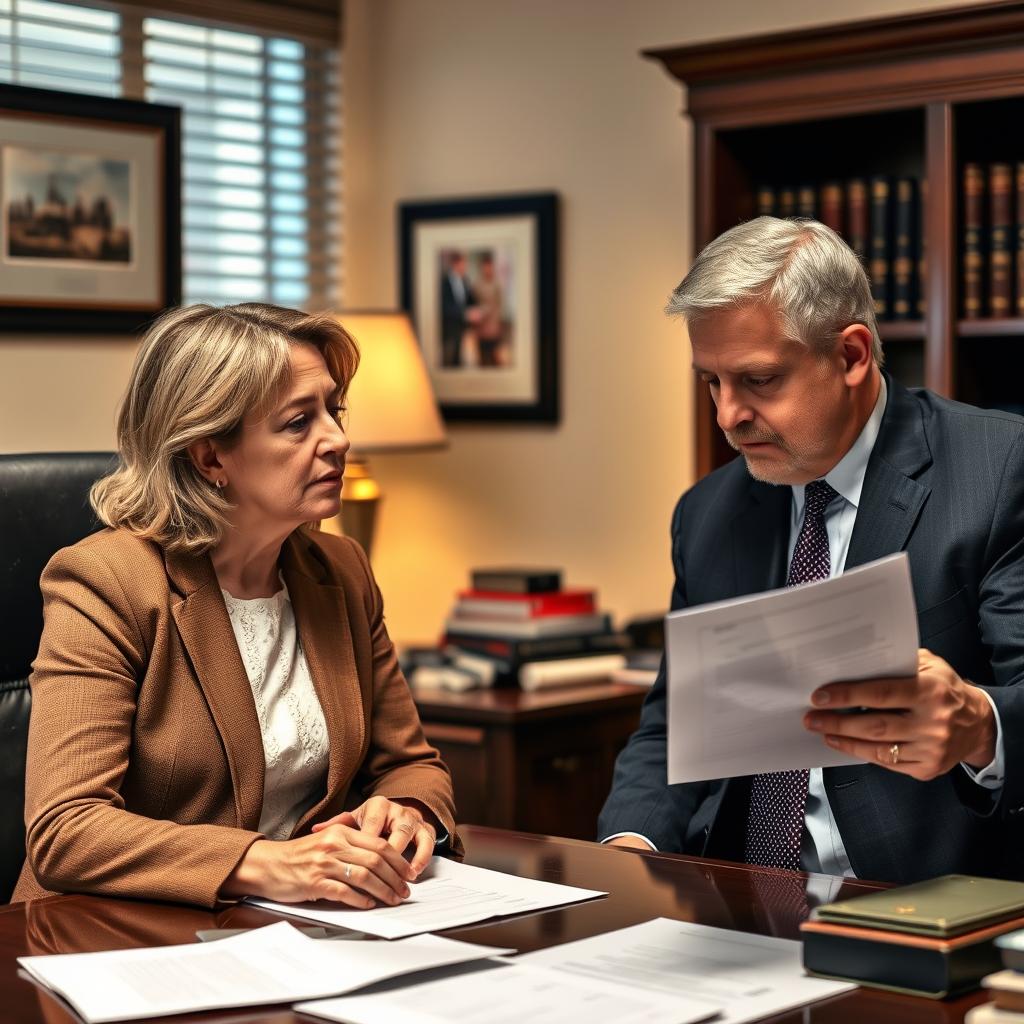
Destruction or Falsification of Records lawyer Roanoke County, VA
Federal destruction or falsification of records charges in Roanoke County, Virginia, are prosecuted in the U.S. District Court for the Western District of Virginia, sitting at 210 Franklin Road SW in Roanoke. The U.S. Attorney’s Office pursues these cases under Title 18 of the United States Code. Federal conviction rates exceed ninety percent, and there is no parole in the federal system. Investigations are typically conducted by federal agencies such as the FBI, DEA, or IRS-CI. Mr. Sris, Owner and Founder of Law Offices Of SRIS, P.C., works with his Of Counsel to provide experienced defense representation. If you are facing allegations involving the destruction or falsification of records, you can reach our firm at (888) 437-7747 to schedule a consultation.
What Federal Destruction or Falsification of Records Means in Roanoke County
Destruction or falsification of records is a federal offense under various sections of Title 18 of the U.S. Code, often charged when a person is alleged to have knowingly altered, destroyed, mutilated, concealed, or falsified a record, document, or tangible object with the intent to impede, obstruct, or influence the investigation or proper administration of any matter within the jurisdiction of a federal department or agency. In Roanoke County, these charges fall under the jurisdiction of the U.S. District Court for the Western District of Virginia. The federal sentencing guidelines apply, and a conviction carries the potential for substantial imprisonment, fines, and supervised release.
The Western District of Virginia’s Roanoke Division handles criminal matters from Roanoke County and surrounding communities including Salem, Vinton, Cave Spring, Hollins, and Catawba. Cases are assigned to a U.S. District Judge, and initial appearances and detention hearings are held promptly after an arrest or indictment. Because the federal system operates under the Speedy Trial Act, the timeline from initial appearance to trial can move deliberately without the delays sometimes seen in state court. Mr. Sris and his Of Counsel appear regularly in the Roanoke federal courthouse and understand the local practices of both the U.S. Attorney’s Office and the court. Our Shenandoah location, by appointment, serves clients throughout Roanoke County.
How Mr. Sris and His Of Counsel Handle Federal Criminal Defense
When Mr. Sris and his Of Counsel take on a federal destruction-of-records case, they begin by examining the government’s evidence and the investigative process that led to the charge. Federal cases are built on grand jury indictments and extensive documentary evidence. The defense team scrutinizes whether the government can prove each element of the offense beyond a reasonable doubt—including the specific intent to obstruct a federal matter. They evaluate whether any constitutional or procedural violations occurred during the search, seizure, or interrogation of witnesses.
Mr. Sris and his Of Counsel also work to develop a strategic response that may involve pretrial motions, negotiations with the Assistant U.S. Attorney, or trial preparation. Federal sentencing can be complex, and they analyze the applicable sentencing guidelines to present mitigation arguments and advocate for a downward variance where appropriate. Throughout the process, clients are advised on the options available to them, and every effort is made to protect their rights and pursue the most favorable resolution possible.
About Mr. Sris and His Of Counsel Team
Mr. Sris is a former prosecutor who founded Law Offices Of SRIS, P.C. in 1997. He is admitted in Virginia, Maryland, the District of Columbia, New Jersey, and New York. Mr. Sris has testified before the Virginia House Courts of Justice Committee in support of 2019 HB 635 (chief patron Del. David Bulova). His practice focuses on criminal defense, including federal matters. Mr. Sris and his Of Counsel bring extensive combined legal experience. Results may vary.
Mr. Sris’s Of Counsel team includes attorneys with experience in federal practice and deep familiarity with the procedures of the U.S. District Court for the Western District of Virginia. Together, they provide clients with a multi-faceted defense that draws on extensive collective knowledge of federal criminal procedure, sentencing guidelines, and trial advocacy. The firm’s Shenandoah location serves Roanoke County and is available by appointment. Consultations can be arranged by calling (888) 437-7747.
Frequently Asked Questions
What is the difference between state and federal charges?
Federal charges are prosecuted by the U.S. Attorney with generally harsher penalties and no parole, while state charges are prosecuted by the Commonwealth’s Attorney or local prosecutor. Federal cases follow the U.S. Sentencing Guidelines, and the federal system has a conviction rate exceeding ninety percent. An experienced federal defense attorney is critical if you are under federal investigation or have been indicted. In Roanoke County, state charges would be heard in the Roanoke County General District or Circuit Court, whereas federal charges go to the U.S. District Court. The stakes and procedures differ in important ways.
How does a Virginia lawyer defend against destruction or falsification of records charges?
Defense strategies may include challenging the government’s evidence, examining procedural compliance, negotiating with prosecutors, and presenting mitigating factors at sentencing. An attorney will evaluate whether the government can prove the requisite intent—that the accused acted “corruptly” with a specific purpose to obstruct a federal matter. Other avenues include arguing that the record did not fall within federal jurisdiction, that the falsification was not material, or that there was no intent to impede the investigation. Each case is fact-specific, and an experienced defense lawyer will tailor the approach accordingly.
What should I do if I am facing destruction or falsification of records charges in Virginia?
Contact a federal criminal attorney immediately and do not discuss the case with anyone except your lawyer. Preserve all relevant documents and electronic data, and avoid any action that could be seen as further destruction or obstruction. Federal investigations move quickly; early representation can be essential. At Law Offices Of SRIS, P.C., Mr. Sris and his Of Counsel can advise you on how to protect your rights and respond to subpoenas or investigative demands. Call (888) 437-7747 to schedule a consultation.
What are the penalties for destruction or falsification of records in Virginia?
Penalties depend on the specific statute under which the person is convicted and can include a term of imprisonment and substantial fines. Federal law does not have parole; an inmate may earn only limited good-time credit. Sentencing is guided by the U.S. Sentencing Guidelines, which consider factors such as the offense level, the defendant’s criminal history, and whether the obstruction involved a pending proceeding. Because each case is unique, anyone facing such charges should consult with a federal defense attorney about the possible sentencing range.
Do I need a lawyer for federal destruction or falsification of records charges in Roanoke County?
Yes, retaining a qualified federal criminal defense lawyer is crucial when facing federal charges. Federal cases are complex, and the U.S. Attorney’s Office has extensive resources. An experienced attorney can help you understand the charges, explore potential defenses, and navigate the federal court system. In Roanoke County, Mr. Sris and his Of Counsel represent clients in the U.S. District Court for the Western District of Virginia. Contact our firm at (888) 437-7747 to discuss your situation.
How long does a federal criminal case take in Virginia?
The length of a federal case varies widely depending on its complexity, but the Speedy Trial Act requires indictment within 30 days of arrest and trial within 70 days of indictment, subject to excludable delays. Typical federal cases can take six to eighteen months, while complex matters may extend to one to three years. Pretrial motions, discovery disputes, and sentencing proceedings all influence the timeline. Mr. Sris and his Of Counsel will provide a realistic assessment of the expected timeline during an initial consultation.
Attorney advertising. Prior results do not guarantee a similar outcome. Results may vary.
Case results depend on a variety of factors unique to each case.