
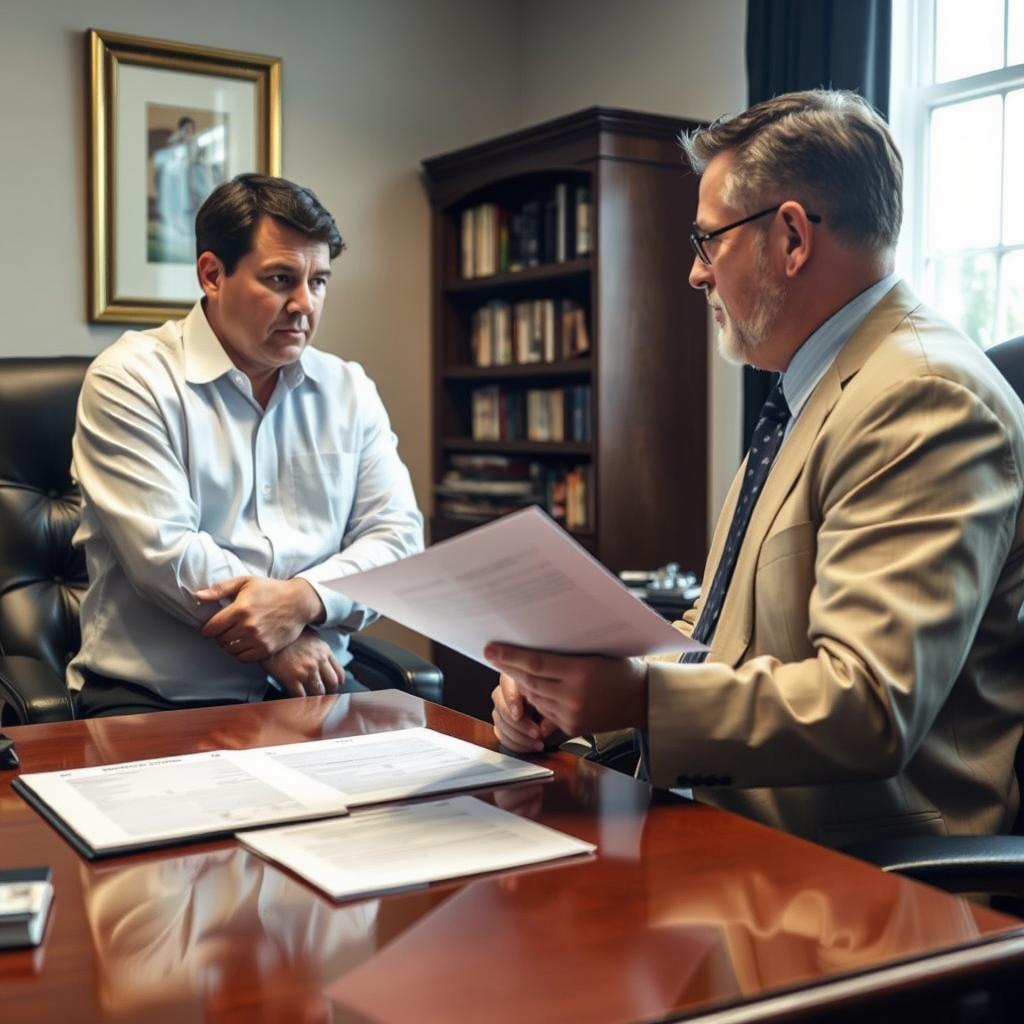
Misprision of a Felony lawyer Greene County, VA
Federal misprision of a felony is a serious charge that carries a potential prison sentence of up to three years under 18 U.S.C. § 4. The statute makes it a crime to know about the commission of a federal felony, conceal that knowledge, and fail to report it to a judge or other civil or military authority. If you are facing an investigation or indictment related to misprision in Greene County, Virginia, you need defense counsel who understands both the federal charging process and the U.S. District Court for the Western District of Virginia. Mr. Sris and the firm’s Of Counsel attorneys represent clients in federal criminal matters throughout Virginia, including at the Charlottesville and Harrisonburg divisions of the Western District. To discuss your situation, contact Law Offices Of SRIS, P.C. at (888) 437-7747. Law Offices Of SRIS, P.C. – Advocacy Without Borders.
What Federal Misprision of a Felony Means in Greene County
A misprision charge requires the government to prove three elements: (1) a federal felony was actually committed, (2) the defendant had actual knowledge of that felony, and (3) the defendant took an affirmative step to conceal the crime—and did not report it to the proper authorities. Mere silence, without some act of concealment, is not enough under 18 U.S.C. § 4. The maximum penalty is three years of imprisonment and a fine, though the final sentence is determined under the U.S. Sentencing Guidelines.
In Greene County, a federal misprision case is heard in the U.S. District Court for the Western District of Virginia, which has courthouses in Charlottesville and Harrisonburg. Those venues sit within the Sixteenth Judicial District for state‑court purposes, but the federal proceeding is entirely separate. A person charged in Greene County will typically make an initial appearance before a federal magistrate judge, followed by a detention hearing, arraignment, and discovery. Because federal conviction rates are high and the system operates without parole, building a defense early—often before an indictment is returned—can be critical. Mr. Sris and the firm’s Of Counsel attorneys are experienced in federal criminal practice, from grand‑jury investigations through sentencing.
The U.S. Attorney’s Office can bring a misprision charge alongside the underlying felony—for example, if someone helped conceal a drug‑trafficking offense or a fraud scheme. The investigation might involve the FBI, DEA, or other federal agencies. For residents of Greene County, having counsel who is familiar with the Western District’s local rules, magistrate judges, and pretrial procedures helps ensure that every procedural safeguard is used effectively.
How Mr. Sris and the Firm’s Of Counsel Attorneys Handle Federal Misprision Cases
Federal misprision cases require a careful analysis of what the government can prove. The firm’s defense approach starts with examining whether the underlying felony actually occurred—if the alleged felony did not happen, a misprision charge cannot stand. Next, we look at the knowledge element: did the client truly know that a felony had been committed, or was the information ambiguous? Finally, we scrutinize the alleged act of concealment. Under the case law, the act must be affirmative—not passive inaction—and the defendant must have intended to conceal the crime, not merely avoid involvement.
If charges are filed, we engage in pretrial motion practice, including challenges to the sufficiency of the indictment, suppression of evidence obtained in violation of the Fourth or Fifth Amendment, and requests for discovery under the Federal Rules of Criminal Procedure. In appropriate cases, we negotiate with the U.S. Attorney’s Office to explore whether the charge can be dismissed, reduced, or resolved through a plea agreement that accurately reflects the client’s role. When trial is the trusted course, the firm’s Of Counsel attorneys prepare thoroughly for every stage, from jury selection to cross‑examination of government witnesses.
Sentencing in a federal misprision case is driven by the U.S. Sentencing Guidelines. The guideline range depends on the offense level assigned to the underlying felony, adjusted by any acceptance of responsibility, substantial assistance to the government, or other factors. The firm works to present a complete picture of the client’s background, character, and circumstances so that the court can impose a fair sentence. Throughout the process, we also address collateral consequences, such as the impact of a felony conviction on employment, professional licenses, and immigration status.
About Mr. Sris and the Firm’s Of Counsel Attorneys
Mr. Sris, Owner and Founder of Law Offices Of SRIS, P.C., is a former prosecutor who has practiced criminal defense since 1997. He is admitted in Virginia, Maryland, the District of Columbia, New Jersey, and New York, giving the firm a multi‑state perspective that is valuable when federal investigations cross jurisdictional lines. Mr. Sris testified before the Virginia House Courts of Justice Committee in support of 2019 HB 635 (chief patron Del. David Bulova).
The firm’s Of Counsel attorneys bring substantial courtroom experience to federal criminal matters. Collectively, they have handled a wide range of federal offenses, from white‑collar crimes to violent felonies, and they appear regularly in the U.S. District Courts in Virginia. Every client receives attentive, thorough representation that focuses on the specific facts and legal issues of the case, not a one‑size‑fits‑all approach.
Frequently Asked Questions
What is the difference between state misprision charges and federal misprision of a felony?
Federal misprision of a felony is a specific crime under 18 U.S.C. § 4 that applies only when the underlying offense is a federal felony; Virginia does not have a directly parallel state statute. In practice, a person in Greene County who conceals knowledge of a state‑level felony might face state charges such as accessory after the fact or obstruction of justice, but the federal misprision statute requires a federal felony as the predicate. The federal charge also carries sentencing under the U.S. Sentencing Guidelines, with no possibility of parole, which distinguishes it from many state‑court outcomes. If you are questioned about your knowledge of a federal crime, seek legal advice before speaking with investigators.
What should I do if I am facing misprision of a felony charges in Virginia?
Contact a federal criminal defense attorney immediately and do not discuss the case with anyone except your lawyer. Preserve any documents, electronic communications, or other evidence that may be relevant. Federal investigations often begin before charges are filed, so early legal guidance can affect whether charges are brought at all. At Law Offices Of SRIS, P.C., we can advise you on how to respond to subpoenas, search warrants, or interview requests from federal agents. Call (888) 437-7747 to speak with Mr. Sris or a member of the firm.
How do federal sentencing guidelines work in Greene County, Virginia?
Federal sentencing for a misprision charge is determined by the U.S. Sentencing Guidelines, which calculate a range based on the offense level and the defendant’s criminal history category. The underlying felony’s seriousness heavily influences the guideline calculation, but departures may be available for acceptance of responsibility, substantial assistance to the government under § 5K1.1, or safety‑valve provisions in certain drug cases. While the guidelines are advisory after United States v. Booker, judges in the Western District of Virginia give them substantial weight. The firm’s attorneys prepare detailed sentencing memoranda to advocate for the lowest appropriate sentence.
What are the penalties for misprision of a felony in Virginia?
Under 18 U.S.C. § 4, misprision of a felony carries a maximum sentence of three years in federal prison, a fine, or both. Actual sentences depend on the guideline range calculated from the underlying felony and the defendant’s role. There is no parole in the federal system, so any term of imprisonment is served at a fixed percentage, with limited good‑time credit. In addition to incarceration, a conviction can result in supervised release, loss of certain civil rights, and a permanent felony record. The firm works to minimize these consequences through active defense and careful plea negotiations when appropriate.
How does a Virginia lawyer defend against misprision of a felony charges?
Defending a misprision charge involves challenging each element the government must prove. We examine whether the alleged underlying felony actually occurred and whether the client had actual knowledge of that felony. Even if knowledge is shown, the government must also prove an affirmative act of concealment—mere failure to report is not enough under 18 U.S.C. § 4. We may file motions to suppress evidence obtained through unlawful searches or interrogations, and we scrutinize the indictment for any procedural defects. In many cases, early engagement with the U.S. Attorney’s Office can lead to a favorable resolution before trial.
Do I need a federal criminal defense lawyer in Greene County, Virginia?
Yes; federal criminal cases involve complex procedural rules and harsh sentencing exposure that make experienced legal representation essential. Federal prosecutors have the resources of agencies like the FBI and DEA, and conviction rates are significantly higher than in state court. The U.S. District Court for the Western District of Virginia applies federal procedural rules that differ from state practice. An attorney who understands grand‑jury proceedings, detention hearings, and the Sentencing Guidelines can protect your rights at every stage. To schedule a consultation, call Law Offices Of SRIS, P.C. at (888) 437-7747.
Related pages: Fairfax County Federal Criminal Lawyer | Fairfax City Federal Criminal Lawyer | Falls Church Federal Criminal Lawyer | Prince William County Federal Criminal Lawyer | Manassas Federal Criminal Lawyer
Additional resources: 18 U.S.C. § 4 | U.S. District Court for the Western District of Virginia
Attorney advertising. Prior results do not guarantee a similar outcome. Case results depend on a variety of factors unique to each case. Results may vary.