
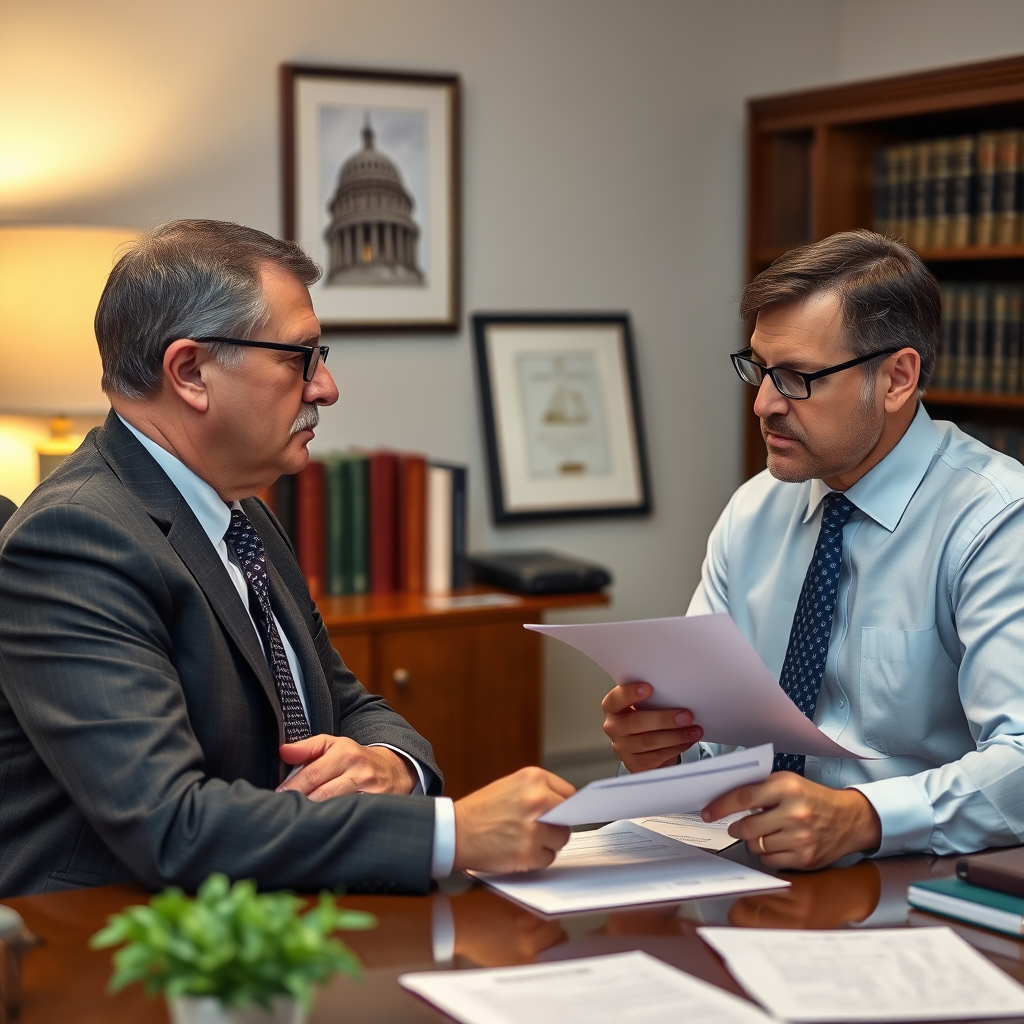
Virginia Federal Court Process: Your Guide to Federal Cases
As of December 2025, the following information applies. In Virginia, the federal court process involves several distinct stages, from initial investigation and grand jury indictment to trial, sentencing, and potential appeals. This system operates under strict federal laws and procedures, which differ significantly from state court. The Law Offices Of SRIS, P.C. provides dedicated legal defense for these matters, helping clients understand and navigate their federal case.
Confirmed by Law Offices Of SRIS, P.C.
What is the Federal Court Process in Virginia?
The federal court process in Virginia refers to the system of legal proceedings for crimes and disputes that fall under federal law, rather than state law. This includes a wide range of offenses, such as drug trafficking, white-collar crime, immigration violations, and certain violent crimes that cross state lines or involve federal property. Unlike Virginia’s state courts, which handle violations of the Virginia Code, federal courts apply the U.S. Code and federal rules of procedure. This means that if you’re facing a federal charge, you’re dealing with a different set of rules, different prosecutors (the U.S. Attorney’s Office), and potentially much harsher penalties. It’s a serious matter that requires a seasoned legal team who understands the nuances of federal litigation.
In Virginia, you’ll encounter two main federal judicial districts: the Eastern District of Virginia (EDVA) and the Western District of Virginia (WDVA). The EDVA is known for its fast-paced ‘rocket docket,’ which can accelerate cases to trial much quicker than other federal districts. This speed can be incredibly jarring if you’re not prepared, leaving little time for evidence gathering and strategic planning. The WDVA, while still rigorous, may operate at a slightly different pace, but the stakes remain equally high. Understanding which district your case falls into and its particular customs is just one piece of the puzzle when defending federal charges.
Takeaway Summary: The federal court process in Virginia involves distinct federal laws and procedures, handled by the Eastern and Western Districts, demanding knowledgeable legal representation. (Confirmed by Law Offices Of SRIS, P.C.)
How Does the Federal Court System in Virginia Work?
Understanding how the federal court system in Virginia works is absolutely vital if you or someone you care about is facing federal charges. It’s not just a bigger version of state court; it’s an entirely different beast with its own set of rules, timelines, and potential consequences. Let’s break down the typical stages, from the first hint of trouble to the final judgment, so you can have a clearer picture of what you might expect.
Investigation and Grand Jury Indictment
Before you ever step foot in a courtroom, a federal investigation usually kicks off. This often involves federal agencies like the FBI, DEA, IRS, or Homeland Security. They’ll gather evidence, interview witnesses, and build their case. Unlike state cases, federal prosecutors almost always present their evidence to a federal grand jury. This grand jury, comprised of citizens, decides if there’s enough probable cause to issue an indictment – essentially, a formal accusation of a crime. Blunt Truth: You don’t get to present your side to the grand jury, and neither does your attorney. It’s a one-sided presentation by the prosecution. If indicted, an arrest warrant is issued, and your journey into the federal court process truly begins.
The role of a federal grand jury in Virginia is to determine if sufficient evidence exists to formally charge an individual with a federal crime. They hear testimony and review evidence presented by the U.S. Attorney’s Office. This process is secret, and the grand jury can compel witnesses to appear and testify. An indictment means the grand jury believes there’s probable cause that a federal crime has been committed. This isn’t a finding of guilt, but it sets the stage for formal charges in federal court.
Federal Arrest and Initial Appearance
Once indicted, you’ll likely be arrested. This can be a terrifying experience, often involving federal agents. Following your arrest, you’ll have an initial appearance before a U.S. Magistrate Judge. Here, you’ll be informed of the charges against you, your rights, and the judge will address bail and detention. Federal bail and detention hearings in Virginia are serious. The federal system often leans towards detention if the court believes you’re a flight risk or a danger to the community. Having a knowledgeable attorney at this stage is absolutely critical to argue for your release under reasonable conditions.
Federal Arraignment Process in Norfolk (or other Virginia districts)
Soon after your initial appearance, you’ll have an arraignment. This is where you formally enter your plea – typically “not guilty.” The court will also set a schedule for future court dates, including discovery deadlines and trial dates. The federal arraignment process in Norfolk, just like in Richmond, Alexandria, or Roanoke, is a crucial step where your defense team officially notifies the court of your intention to fight the charges. It’s not just a formality; it’s the point where the battle lines are drawn, and your legal strategy starts to unfold.
Discovery and Pre-Trial Motions
After arraignment, the discovery process in a federal criminal case in Virginia begins. Both sides exchange information and evidence. The prosecution must turn over certain evidence to the defense, known as Brady material (exculpatory evidence). Your attorney will meticulously review this material, looking for weaknesses in the prosecution’s case or evidence that supports your defense. This phase also involves filing pre-trial motions, such as motions to suppress evidence (arguing it was illegally obtained) or motions to dismiss charges. These motions can significantly impact the outcome of your case, and a well-crafted motion can sometimes lead to charges being dropped or weakened.
The discovery process in a federal criminal case in Virginia is extensive. It involves the exchange of documents, witness lists, and other evidence between the prosecution and the defense. This is where your attorney will pore over every piece of information, looking for inconsistencies, weaknesses in the government’s case, and opportunities to build a strong defense. It’s a painstaking process, but absolutely essential for a robust defense.
Plea Bargains in Virginia Federal Court
Many federal cases don’t go to trial; they’re resolved through plea bargains. A plea bargain is an agreement between the prosecution and the defense where you agree to plead guilty to certain charges, often in exchange for a lighter sentence or the dismissal of other charges. Understanding federal sentencing guidelines in Virginia is paramount here. These guidelines, while advisory, heavily influence the sentences judges impose. Your attorney will analyze the guidelines that apply to your case, explain the potential outcomes, and negotiate with the U.S. Attorney’s Office to secure the best possible plea agreement. Deciding whether to accept a plea bargain is one of the most significant decisions you’ll make in your case.
Plea bargains in Virginia federal court require a deep understanding of federal law and sentencing guidelines. The U.S. Attorney’s Office plays a critical role here, as they are the prosecuting arm of the federal government. The role of the U.S. Attorney’s Office in Virginia cases is to represent the federal government in criminal and civil litigation. Their attorneys are often formidable and experienced. Negotiating with them requires a legal team that can stand their ground, articulate your position, and fight for your best interests. This isn’t a place for the inexperienced.
Trial
If no plea agreement is reached, your case proceeds to trial. In a federal trial, you have the right to a jury trial. The prosecution must prove your guilt beyond a reasonable doubt. Your attorney will present your defense, cross-examine government witnesses, and argue for your innocence. Federal trials are complex and intense, with strict rules of evidence and procedure. What to expect in Alexandria federal court, or any federal courthouse in Virginia, during trial is a highly structured process where every detail matters.
Federal grand jury proceedings are separate from the trial itself. The grand jury’s role is investigative, leading to an indictment. The trial is where guilt or innocence is determined by a judge or petit jury based on the evidence presented by both sides. This distinction is important; an indictment doesn’t mean you’re guilty, only that there’s enough cause for the case to proceed to trial.
Sentencing
If you’re convicted, either through a plea or at trial, the next stage is sentencing. Before sentencing, a probation officer conducts a presentence investigation and prepares a Presentence Investigation Report (PSIR). What is a presentence investigation report in a Virginia federal case? It’s a comprehensive document that details your criminal history, personal background, and the facts of your offense. This report provides the judge with information to determine an appropriate sentence, guided by the federal sentencing guidelines. Your attorney will review this report carefully, often challenging any inaccuracies and presenting mitigating factors to argue for a more lenient sentence.
Understanding federal sentencing guidelines in Virginia is vital for sentencing advocacy. These guidelines provide a framework for judges, suggesting sentence ranges based on the severity of the offense and the defendant’s criminal history. While advisory, judges must consider them. Virginia lawyer for federal sentencing advocacy means having someone who can effectively argue for departures from the guidelines or for the lowest possible sentence within the guideline range, highlighting your character and any mitigating circumstances.
Appeals and Federal Probation Rules
After sentencing, you may have the option to appeal your conviction or sentence to the U.S. Court of Appeals for the Fourth Circuit. Appealing a federal conviction from Virginia is a complex legal process that focuses on errors of law that occurred during your trial or sentencing. It’s not a chance to re-try the case but to challenge legal mistakes. If you are sentenced to probation, understanding federal probation rules in Virginia is crucial. These rules outline conditions you must follow, and violations can lead to revocation and imprisonment. Finding an attorney for a federal appeal in Virginia means seeking counsel experienced specifically in appellate procedures, as it’s a distinct area of law requiring specialized knowledge.
The steps in a Richmond federal criminal case, or any federal criminal case in Virginia, often include these stages. From initial investigation to potential appeals, each phase carries significant legal implications. Navigating this intricate system without experienced legal counsel can be overwhelming and lead to unfavorable outcomes. The Eastern District of Virginia federal courthouse locations Fairfax, Alexandria, Norfolk, and Richmond are where these cases unfold. Similarly, the Western District of Virginia handles cases in Roanoke, Charlottesville, and Harrisonburg. Each location has its own specific practices, but the overarching federal rules apply.
Can I Beat a Federal Criminal Charge in Virginia?
It’s natural to feel overwhelmed and fearful when facing federal criminal charges. The federal government has immense resources, and federal prosecutors are incredibly skilled. Many people wonder if it’s even possible to beat a federal charge in Virginia. The simple, honest answer is: it’s incredibly challenging, but it’s not impossible. However, your chances are significantly better with a knowledgeable and experienced legal defense team on your side.
Federal cases often involve extensive investigations, complex evidence, and strict sentencing guidelines. The prosecution will come prepared, and you need a defense that’s equally, if not more, prepared. Your ability to challenge the charges depends entirely on the specific facts of your case, the strength of the evidence against you, and the skill of your attorney in identifying weaknesses in the prosecution’s argument, suppressing illegally obtained evidence, or negotiating favorable plea agreements.
A common concern is the idea that federal cases always lead to convictions. While federal conviction rates are high, that doesn’t mean every case is unwinnable. A seasoned federal criminal defense attorney can explore every avenue for your defense. This might involve challenging the legality of the initial stop or search, questioning the reliability of witness testimony, presenting an alibi, or arguing that you lacked the intent required for the crime. It’s about meticulously dissecting the prosecution’s case and presenting a compelling counter-narrative.
Your fight against federal charges requires more than just hope; it requires a strategic, aggressive defense tailored to the specific details of federal law and procedure in Virginia. It means having an attorney who knows the ins and outs of both the Eastern District of Virginia federal courthouse locations Fairfax, Alexandria, and Norfolk, and the Western District of Virginia court procedures in Roanoke and Charlottesville. This is why selecting the right legal counsel is not just helpful, it’s essential for your future.
Why Hire Law Offices Of SRIS, P.C.?
When your freedom and future are on the line in a federal court in Virginia, you need more than just a lawyer; you need a dedicated advocate who understands the federal system’s unique pressures and complexities. At Law Offices Of SRIS, P.C., we bring a wealth of experience to federal criminal defense cases, offering a direct and empathetic approach during what is undoubtedly one of the most trying times of your life.
Mr. Sris, the founder of Law Offices Of SRIS, P.C., brings a distinctive perspective to federal criminal defense. As he puts it, “My focus since founding the firm in 1997 has always been directed towards personally handling the most challenging and complex criminal and family law matters our clients face.” This commitment to taking on difficult cases, coupled with nearly three decades of legal practice, means you have a seasoned attorney who isn’t afraid to confront the formidable power of federal prosecutors.
Our firm is adept at representing individuals in all stages of the Virginia federal court process. Whether you’re facing initial investigations, federal grand jury proceedings, navigating the Eastern District of Virginia’s ‘rocket docket,’ or dealing with the specific Western District of Virginia court procedures, we’re here to stand with you. We understand the intricacies of federal sentencing guidelines, the importance of a thorough presentence investigation report, and the rigorous demands of federal bail and detention hearings.
Choosing Law Offices Of SRIS, P.C. means choosing a team that will meticulously examine the discovery process in your federal criminal case, skillfully negotiate plea bargains in Virginia federal court, and, if necessary, mount a robust defense at trial. We represent clients in all federal courts across Virginia, including the Eastern District of Virginia federal courthouse locations in Fairfax, Alexandria, Norfolk, and Richmond, and the Western District of Virginia in Roanoke, Charlottesville, and Harrisonburg. We are experienced in the Eastern District of Virginia and other federal courts across the state, always working to protect your rights and achieve the best possible outcome.
When the stakes are this high, you deserve a legal team that offers direct, honest advice and unwavering support. We are here to provide a confidential case review and discuss how we can defend your rights and guide you through the federal court system in Virginia.
Our Fairfax location provides dedicated service to clients throughout Virginia:
Law Offices Of SRIS, P.C.
4008 Williamsburg Court
Fairfax, VA, 22032, US
+1-703-636-5417
Call now to discuss your federal case.
Frequently Asked Questions About the Virginia Federal Court Process
What is the difference between state and federal court in Virginia?
Federal courts in Virginia handle crimes violating U.S. federal law, often involving agencies like the FBI or DEA, with typically harsher penalties and different procedures. State courts address violations of Virginia state law, such as local traffic offenses, assault, or state-level drug charges, within the Commonwealth’s judicial system.
How long does a federal criminal case take in Virginia?
The duration of a federal criminal case in Virginia varies greatly depending on the complexity, charges, and district. The Eastern District of Virginia is known for its “rocket docket,” often pushing cases to trial within months. Other cases can take a year or more, especially with extensive discovery or complex negotiations.
What are federal sentencing guidelines in Virginia?
Federal sentencing guidelines provide advisory ranges that judges consider when imposing sentences for federal crimes in Virginia. They are based on the offense’s severity and the defendant’s criminal history. While not mandatory, judges must calculate and consider them, making them a critical factor in sentencing decisions.
Can I get bail in a federal case in Virginia?
Securing bail in a federal case in Virginia is possible but often more challenging than in state court. The federal system prioritizes community safety and flight risk. A judge will determine if you can be released with conditions, or if detention is necessary, requiring a strong argument from your defense attorney.
What is a federal grand jury?
A federal grand jury in Virginia is a group of citizens who hear evidence presented by federal prosecutors. Their role is to determine if there is enough probable cause to issue an indictment, formally charging someone with a federal crime. Grand jury proceedings are secret and do not determine guilt or innocence.
What is a Presentence Investigation Report (PSIR)?
A Presentence Investigation Report (PSIR) in a Virginia federal case is a comprehensive document prepared by a probation officer after a conviction. It details your background, criminal history, and offense facts, providing crucial information to the judge for sentencing. Your attorney reviews it for accuracy and advocacy.
What is the role of the U.S. Attorney’s Office?
The U.S. Attorney’s Office in Virginia represents the federal government in criminal and civil matters. They investigate and prosecute federal crimes, argue civil cases, and collect debts owed to the U.S. Their attorneys are often seasoned and determine whether to bring charges, negotiate pleas, and conduct trials.
How can I appeal a federal conviction in Virginia?
Appealing a federal conviction from Virginia involves filing a notice of appeal with the U.S. Court of Appeals for the Fourth Circuit. This process focuses on challenging legal errors that occurred during your trial or sentencing, not re-trying the facts. It requires a lawyer experienced in federal appellate law.
What is the “rocket docket” in the Eastern District of Virginia?
The “rocket docket” refers to the Eastern District of Virginia’s reputation for swiftly moving cases through the federal court system. This accelerated pace means federal criminal cases often proceed to trial or resolution much faster than in other federal jurisdictions, demanding rapid and decisive legal action.
Why is finding an attorney experienced in federal court important?
Federal court procedures, laws, and sentencing guidelines are distinct and more stringent than state courts. An attorney experienced in federal court, particularly in the Eastern or Western District of Virginia, understands these nuances, the U.S. Attorney’s office, and how to build an effective defense against significant federal resources.
The Law Offices Of SRIS, P.C. has locations in Virginia in Fairfax, Loudoun, Arlington, Shenandoah and Richmond. In Maryland, our location is in Rockville. In New York, we have a location in Buffalo. In New Jersey, we have a location in Tinton Falls.
Past results do not predict future outcomes.