
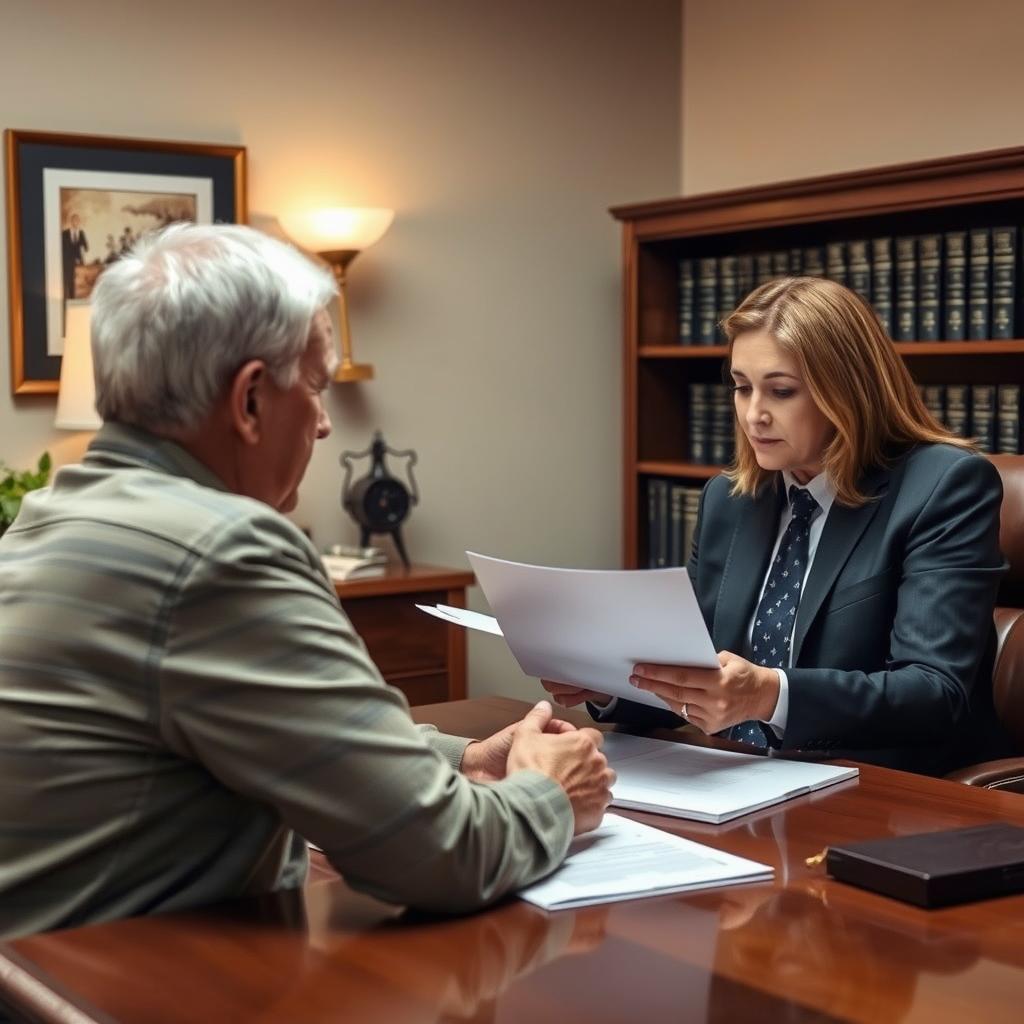
Aiding and Abetting lawyer Chesapeake, VA
Under 18 U.S.C. § 2, anyone who assists, counsels, commands, or induces the commission of a federal crime is equally liable as if they personally committed every act of the offense. In Chesapeake, Virginia, federal aiding and abetting charges are prosecuted by the United States Attorney’s Office in the Eastern District of Virginia and carry the same maximum penalties as the underlying substantive crime. Counsel who handles matters in the U.S. District Court for the Eastern District of Virginia must be prepared for federal sentencing guidelines, mandatory minimums where they apply, and a system without parole. Mr. Sris and the firm’s Of Counsel attorneys represent people facing federal aiding and abetting allegations in Chesapeake and throughout the Hampton Roads region from the firm’s Richmond location. To discuss your situation, call (888) 437-7747. Law Offices Of SRIS, P.C. – Advocacy Without Borders.
What Federal Aiding and Abetting Means in Chesapeake, VA
Chesapeake, Virginia, lies within the Eastern District of Virginia, one of the most active federal districts in the country. Federal criminal cases, including aiding and abetting charges, are heard at the U.S. District Courthouse in Norfolk — 600 Granby Street, Norfolk, VA 23510 — and at the Newport News Division, 2400 West Avenue, Newport News, VA 23607. Both court locations are a short drive from Chesapeake, Deep Creek, Great Bridge, and Greenbrier, along I-64 or Route 168. Because the Eastern District’s Norfolk and Newport News divisions have their own local practices and judicial preferences, representation should come from counsel familiar with how federal prosecutors in the district construct aiding and abetting cases.
Aiding and abetting is an inchoate offense that allows federal prosecutors to charge multiple people involved in a crime even if only one person physically carried out the illegal act. Under the federal statute, the government must prove that the underlying offense was actually committed by someone, that the defendant knew the offense was being committed, and that the defendant took some affirmative step to facilitate it. Because aiding and abetting liability attaches equally to the underlying penalty, a person convicted as an accomplice faces the same sentencing exposure as the principal offender. Federal sentencing operates under the United States Sentencing Guidelines and carries no parole; good-time credit is the only form of sentence reduction. Mr. Sris and the firm’s Of Counsel attorneys are experienced in the procedural demands of the Eastern District of Virginia and in challenging the knowledge and intent elements that federal prosecutors must establish.
How Mr. Sris and the Firm’s Of Counsel Attorneys Handle Aiding and Abetting Cases
Federal aiding and abetting investigations often begin with a grand jury subpoena, a target letter, or a search warrant executed by federal agents. Because the government’s case frequently hinges on electronic communications, financial records, or cooperating witness statements, early legal guidance that does not interfere with the investigation is critical. Mr. Sris and the firm’s Of Counsel attorneys focus on protecting the client’s position from the first contact with law enforcement through every stage of the proceeding — initial appearance, detention hearing, arraignment, discovery, motions practice, and, if necessary, trial.
Defense strategies in federal aiding and abetting cases are developed case-by-case. Counsel may examine whether the government can establish the required knowledge and specific intent to facilitate the crime. Mere presence, association, or knowledge that a crime was occurring is generally insufficient to sustain a conviction. The defense may also challenge the sufficiency of the government’s evidence that the underlying substantive offense actually occurred. Mr. Sris and the firm’s Of Counsel attorneys appear in the Norfolk and Newport News divisions, and they work to reach outcomes that address the client’s long-term interests — whether through negotiation with the U.S. Attorney’s Office, pretrial motions, or trial. The timeline of a federal case is set by the Speedy Trial Act and the court’s calendar, and each case follows its own pace.
About Mr. Sris and the Firm’s Of Counsel Attorneys
Mr. Sris is Owner and Founder of Law Offices Of SRIS, P.C. He is a former prosecutor and has been practicing since 1997. He testified before the Virginia House Courts of Justice Committee in support of 2019 HB 635 (chief patron Del. David Bulova). Mr. Sris is admitted to practice in Virginia, Maryland, the District of Columbia, New Jersey, and New York. The firm’s Of Counsel attorneys bring extensive combined legal experience. Results may vary. in any matter. The firm’s Richmond location serves clients in Chesapeake and throughout the Hampton Roads area, and consultations are available by appointment. Reach Law Offices Of SRIS, P.C. at (888) 437-7747.
Frequently Asked Questions
How does a Virginia lawyer defend against aiding and abetting charges?
A federal aiding and abetting defense typically challenges the government’s evidence of knowledge and intent, as well as whether the underlying crime actually occurred. Counsel may also contest the sufficiency of the evidence connecting the accused to the specific act of facilitation, raise constitutional challenges to searches or statements, and negotiate with prosecutors for a reduction or dismissal when the facts and law support it. Every defense is built on the particular facts of the case, the strength of the government’s investigation, and the applicable sentencing guidelines. For guidance on your specific situation, reach Law Offices Of SRIS, P.C. at (888) 437-7747.
What should I do if I am facing aiding and abetting charges in Virginia?
If you are facing a federal aiding and abetting charge, do not discuss the case with anyone except your lawyer and preserve all documents and communications. Federal agents and prosecutors may already be investigating. Early contact with an attorney who practices in the U.S. District Court for the Eastern District of Virginia can help you understand what is happening and what steps to take next. The government may be building a case through grand jury proceedings, and any statements made to law enforcement can become evidence. To discuss the details of your matter, contact Law Offices Of SRIS, P.C. at (888) 437-7747.
What are the penalties for aiding and abetting in Chesapeake, VA?
A person convicted of federal aiding and abetting faces the same statutory maximum sentence as the principal offender, and sentencing is determined under the U.S. Sentencing Guidelines. There is no parole in the federal system; release after a portion of the sentence depends on good-time credit and statutory allowances. The actual exposure varies widely depending on the underlying offense — for example, drug trafficking, fraud, or violent crime each carry their own penalty ranges, often with mandatory minimums. Because the guidelines use the total relevant conduct, the calculation can be complex. For a consultation, reach Mr. Sris and the firm’s Of Counsel attorneys at (888) 437-7747.
How does federal court differ from state court in Chesapeake?
Federal court operates under different rules, different sentencing statutes, and a different prosecution office than Virginia state court, and it does not offer parole. The U.S. Attorney’s Office prosecutes federal charges in the Eastern District of Virginia; the Virginia state prosecutor handles crimes charged under the Code of Virginia in Chesapeake General District Court or Chesapeake Circuit Court. Federal sentencing guidelines are more structured, and pretrial detention outcomes are governed by the Bail Reform Act rather than state bail rules. Mr. Sris and the firm’s Of Counsel attorneys are experienced in both systems, which allows the client to receive informed advice about the case’s specific procedural path.
Do I need a federal criminal defense lawyer for an aiding and abetting charge in Chesapeake?
Yes — federal aiding and abetting cases are prosecuted by the U.S. Attorney’s Office under federal rules, and representation should come from counsel who focuses on federal criminal defense. The procedures, sentencing guidelines, and pretrial detention standards in the U.S. District Court for the Eastern District of Virginia are materially different from those in Virginia state court. Early engagement before an indictment can make a meaningful difference in the direction of the case. To discuss your legal options, contact Law Offices Of SRIS, P.C. at (888) 437-7747.
What is the role of the grand jury in a federal aiding and abetting case?
In the federal system, a grand jury is used to determine whether the prosecution has probable cause to issue an indictment, and an indictment is required for felony charges such as most aiding and abetting offenses. The grand jury hears only the evidence presented by the prosecutor; the defense does not participate. If an indictment is returned, the case proceeds to arraignment and pretrial motions. Counsel may move to challenge the indictment for legal defects. To understand the implications for your matter, reach Law Offices Of SRIS, P.C. at (888) 437-7747.
Related areas of representation: Fairfax County federal criminal defense · Prince William County federal criminal lawyer · Manassas federal criminal representation · Fairfax City federal criminal attorney
Additional resources: 18 U.S.C. § 2 — Aiding and Abetting · U.S. District Court for the Eastern District of Virginia · Virginia Court System
Attorney advertising. Prior results do not guarantee a similar outcome.
Case results depend on a variety of factors unique to each case.