
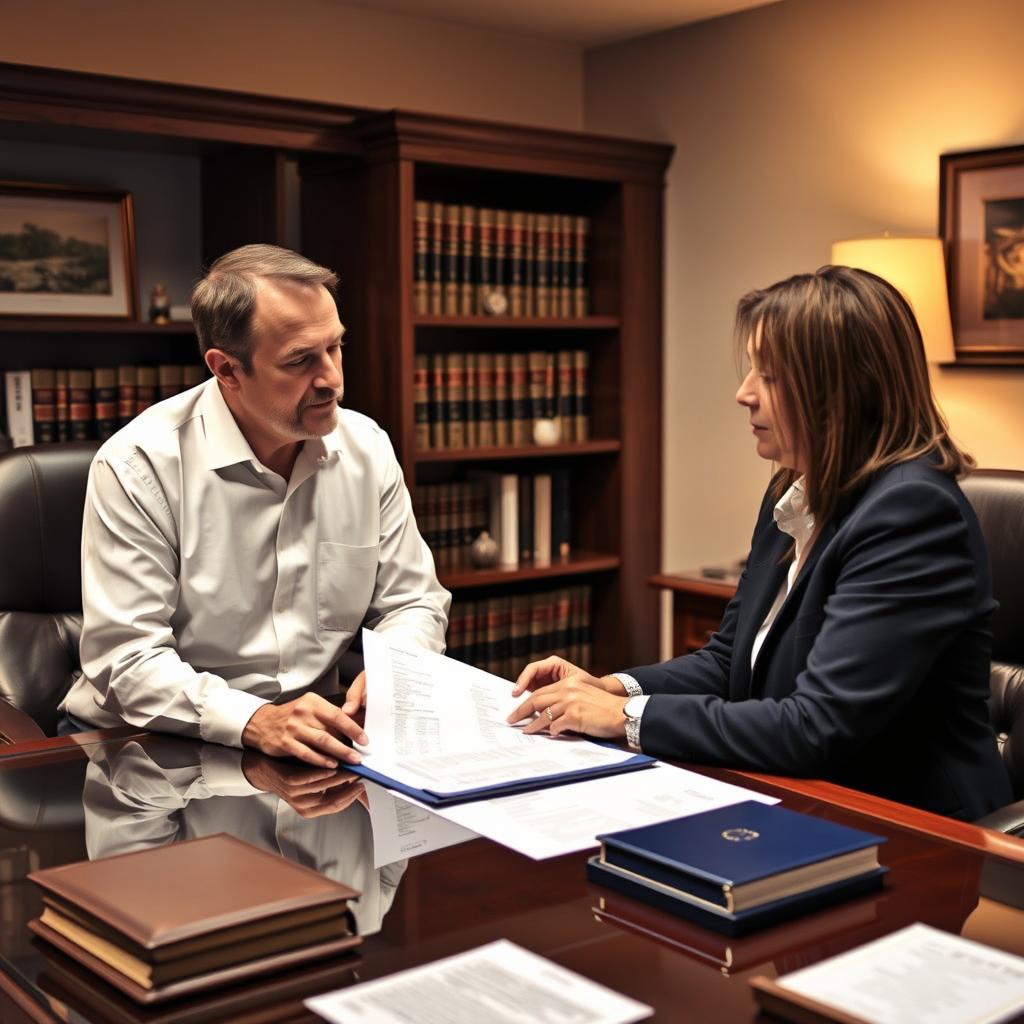
Aiding Preparation of False Tax Return lawyer Colonial Heights, VA
A charge of aiding in the preparation of a false tax return is a federal felony prosecuted in the United States District Court for the Eastern District of Virginia. The Internal Revenue Service Criminal Investigation division investigates these cases with substantial resources, often building cases through forensic accounting, interviews with preparers and taxpayers, and review of financial records. For a taxpayer or tax preparer in Colonial Heights, an IRS inquiry can escalate into a criminal prosecution with the possibility of prison time and severe financial penalties. Mr. Sris, Owner and Founder of Law Offices Of SRIS, P.C., and the firm’s Of Counsel attorneys represent clients facing federal tax crime allegations, including charges under 26 U.S.C. § 7206(2) for willfully aiding or assisting in the preparation of a materially false tax return. The firm’s defense work extends to all stages—from the initial IRS audit or CID contact through grand jury proceedings, indictment, and trial in the Richmond Division of the Eastern District of Virginia. Federal tax prosecutions are complex, require familiarity with the U.S. Sentencing Guidelines, and demand trial experience in federal court. For a consultation about an IRS investigation or a pending charge in Colonial Heights, call Law Offices Of SRIS, P.C. at (888) 437-7747.
What Aiding Preparation of False Tax Return Means in Colonial Heights
Under federal law, it is a crime for any person to willfully aid or assist in, or procure, counsel, or advise the preparation or presentation of a materially false or fraudulent tax return, statement, or other document (26 U.S.C. § 7206(2)). The government must prove beyond a reasonable doubt that the defendant acted willfully and that the document contained a material falsehood—that is, a false statement that would tend to influence the IRS’s determination of a tax liability. Unlike simple tax-preparer errors or negligence, a prosecution under this statute focuses on intentional conduct. The charge does not require that the government prove the defendant personally filed the return; providing substantial assistance and knowing the return was false is sufficient.
For Colonial Heights residents, a federal tax crime case falls under the jurisdiction of the U.S. District Court for the Eastern District of Virginia. Cases out of Colonial Heights are typically assigned to the Richmond Division, which sits at 701 East Broad Street. The U.S. Attorney’s Office for the Eastern District prosecutes tax offenses with experienced Assistant U.S. Attorneys who often work alongside IRS Criminal Investigation special agents and Department of Justice Tax Division attorneys. Federal sentencing for a conviction under § 7206(2) carries a maximum term of imprisonment of three years per count, a period of supervised release, and monetary penalties that can include the costs of prosecution. Because the federal system abolished parole, individuals convicted of federal tax crimes serve the majority of their sentence (subject to good time credit). The U.S. Sentencing Guidelines heavily influence the actual sentence, factoring in the tax loss amount, the defendant’s role in the offense, and any acceptance of responsibility. Pre-indictment strategy is critical; retaining counsel at the investigation stage can shape the direction of the case before formal charges are filed.
How Mr. Sris and the Firm’s Of Counsel Attorneys Handle Aiding Preparation of False Tax Return Cases
Early involvement is often the key to protecting a client’s rights in a federal tax investigation. Mr. Sris and the firm’s Of Counsel attorneys begin by evaluating the government’s conduct—whether the IRS Criminal Investigation division has issued a subpoena, executed a search warrant, or made direct contact with the taxpayer or preparer. The defense team works to assert the attorney-client privilege, prevent unintentional waivers, and ensure that any statements made to investigators are made with full knowledge of the consequences. In many cases, the firm’s attorneys can engage with the U.S. Attorney’s Office before indictment to present evidence of good faith reliance, lack of willfulness, or the immateriality of an alleged misstatement.
Once charges are filed, the defense moves into the litigation phase governed by the Federal Rules of Criminal Procedure. The firm’s attorneys challenge the admissibility of evidence, examine the government’s forensic accounting, and litigate pre-trial motions that can narrow the charges or exclude prejudicial evidence. Because federal tax cases often involve voluminous discovery, the team works carefully to identify weaknesses in the government’s proof—whether through its interpretation of the tax law, the credibility of cooperating witnesses, or the methodology of its loss calculation. When appropriate, Mr. Sris and the firm’s Of Counsel attorneys pursue a negotiated resolution through a plea agreement that accurately reflects the client’s role and can minimize exposure. When trial is necessary, the firm has the experience to try a federal criminal case before a jury in the Richmond Division of the Eastern District of Virginia.
About Mr. Sris and the Firm’s Of Counsel Attorneys
Mr. Sris, Owner and Founder of Law Offices Of SRIS, P.C., is a former prosecutor who founded the firm in 1997. He is admitted to practice in Virginia, Maryland, the District of Columbia, New Jersey, and New York. His background includes testifying before the Virginia House Courts of Justice Committee in support of 2019 HB 635 (chief patron Del. David Bulova), and he brings a prosecutor’s understanding of how the government builds tax cases to every defense he constructs.
The firm’s Of Counsel attorneys add depth to the practice. Together with Mr. Sris, they bring extensive combined legal experience to federal criminal defense matters. The team works collaboratively, drawing on knowledge of IRS investigative techniques, federal sentencing guidelines, and trial practice in the Eastern District of Virginia. For every federal tax matter, the goal is to provide a thorough defense that protects the client’s rights and pursues the most favorable outcome available. Results may vary.
Frequently Asked Questions
What is aiding preparation of a false tax return under federal law?
Aiding preparation of a false tax return under 26 U.S.C. § 7206(2) means willfully assisting or advising in preparing a return that contains a materially false statement. The government must prove intent—that the defendant knew the return was false and deliberately helped prepare or present it. A preparer who makes an innocent mistake or who relies in good faith on information provided by the taxpayer may have a defense. Conviction can result in up to three years in prison per count and a criminal fine. Because these cases are prosecuted in federal court, the procedural and sentencing rules differ significantly from state court. Law Offices Of SRIS, P.C. – Advocacy Without Borders.
How does the IRS investigate a case of aiding in the preparation of a false tax return?
IRS Criminal Investigation (CI) special agents investigate suspected criminal violations of the tax code, often using financial audits, interviews, subpoenas, and search warrants. Typically, the IRS begins by examining the tax returns at issue through a civil audit. If CI becomes involved, agents may interview third parties such as clients, examine bank records, and seek electronic evidence. The investigation can lead to a referral to the U.S. Attorney’s Office for prosecution. Retaining counsel early allows an individual to have representation during interviews and to assess the scope of the government’s case before charges are filed.
What are the potential penalties for aiding preparation of a false tax return?
A conviction under § 7206(2) carries a maximum prison term of three years per count, a term of supervised release, and monetary fines; the actual sentence is determined using the U.S. Sentencing Guidelines. The tax loss amount is a primary driver of the guideline range, along with the defendant’s role and criminal history. Additional consequences can include an order to pay restitution to the IRS and the costs of prosecution. There is no parole in the federal system, although good time credit can reduce the time actually served. Sentencing is at the discretion of the federal district judge after considering the guidelines and statutory factors.
Do I need a lawyer if I am under investigation for aiding in a false tax return?
Yes, retaining a federal criminal defense attorney at the first indication of an IRS criminal investigation can protect your rights and help you avoid making statements that might be used against you. An attorney can communicate with investigators on your behalf, evaluate the strength of the government’s case, and begin building a defense strategy before indictment. The stakes are high—a federal felony conviction for a tax crime can affect professional licenses, security clearances, and immigration status. Seeking legal guidance early is a prudent step toward managing the situation.
What should I do if I am facing charges of aiding in the preparation of a false return?
If you are facing federal charges for aiding in the preparation of a false tax return, do not discuss the case with anyone other than your attorney and preserve all relevant records. Contact an experienced federal criminal defense lawyer immediately. The government’s case will move forward whether or not you have counsel, and prompt action can preserve your ability to challenge the charges, negotiate, or prepare for trial. The Law Offices Of SRIS, P.C. can be reached at (888) 437-7747 to discuss your situation and review your options.
Related Federal Criminal Defense Pages:
Fairfax County Federal Criminal Lawyer |
Prince William County Federal Criminal Lawyer |
Manassas Federal Criminal Lawyer |
Fairfax City Federal Criminal Lawyer |
Falls Church Federal Criminal Lawyer
Attorney advertising. Prior results do not guarantee a similar outcome. Results may vary.
Case results depend on a variety of factors unique to each case.