
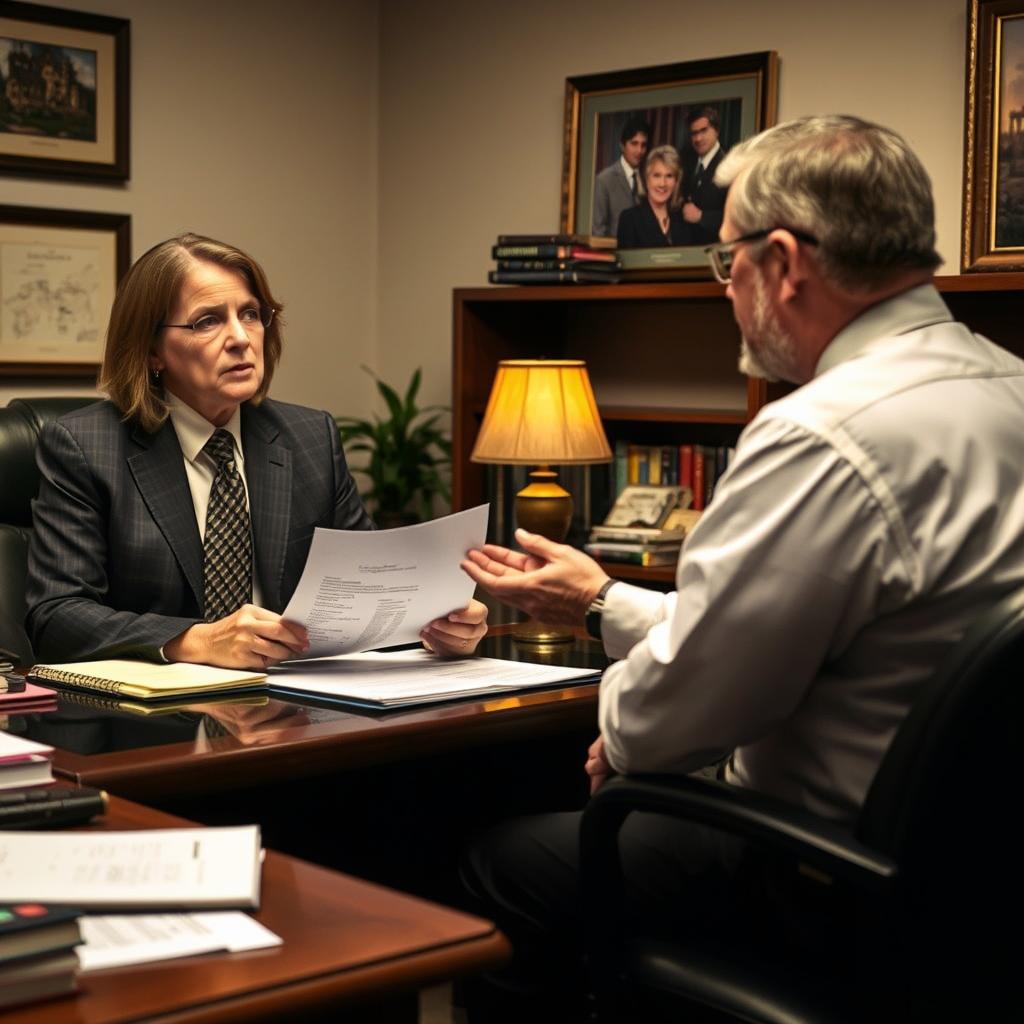
Arson/Bombing of Federal Property lawyer Rappahannock County, VA
Federal arson or bombing charges involving government buildings, military installations, national parks, or other property of the United States are among the most serious offenses prosecuted in the Western District of Virginia. If you are under investigation or have been indicted for violating 18 U.S.C. § 81 or related statutes in Rappahannock County, the case will be handled not in the local General District Court but in the U.S. District Court for the Western District of Virginia—a federal forum with no parole, sentencing guidelines that often produce lengthy incarceration, and conviction rates that exceed 90%. Mr. Sris and the firm’s Of Counsel attorneys represent individuals facing such allegations, including arson of federal buildings, bombing of government vehicles, and damage to property owned or leased by the United States. With a Fairfax Location that serves clients across Rappahannock County, the legal team brings extensive experience in federal criminal procedure, pretrial detention advocacy, and sentencing mitigation under the U.S. Sentencing Guidelines. If you need legal guidance on a federal arson or bombing matter, call Law Offices Of SRIS, P.C. at (888) 437‑7747 to request a consultation. Law Offices Of SRIS, P.C. – Advocacy Without Borders.
What Arson/Bombing of Federal Property Means in Rappahannock County, VA
An arson or bombing charge that involves federal property—such as a U.S. Post Office, a Social Security Administration office, a military recruiting station, a national park structure, or any land or building owned by the United States—falls under federal criminal jurisdiction rather than Virginia state law. Even if the alleged act occurred entirely within Rappahannock County, the case is investigated by federal agencies like the ATF, FBI, or U.S. Postal Inspection Service, prosecuted by the U.S. Attorney’s Office for the Western District of Virginia, and adjudicated in the U.S. District Court. That court maintains divisional offices in Roanoke, Charlottesville, Harrisonburg, and other locations, and whichever division hears the matter, the defendant faces the Federal Sentencing Guidelines, which calculate a recommended range of imprisonment based on offense characteristics, enhancements (such as use of explosives or bodily injury), and criminal history.
Because federal property arson and bombing statutes carry substantial mandatory minimums in certain aggravated circumstances and eliminate the possibility of parole, a conviction can mean decades of incarceration. The prosecution benefits from the resources of the federal government and a high conviction rate. For a person living in Washington, Sperryville, or Flint Hill, the experience of being investigated by a federal task force is profoundly different from a state criminal charge in Rappahannock County General District Court. Understanding how federal jurisdiction works and having an attorney who is comfortable in federal court is essential.
How Mr. Sris and the Firm’s Of Counsel Attorneys Handle Federal Arson/Bombing Cases
When a client first contacts the firm about a federal arson or bombing investigation, the immediate priority is to determine whether charges have been filed, if a grand jury subpoena has been issued, or if an arrest warrant is imminent. Mr. Sris and the firm’s Of Counsel attorneys will examine the basis for federal jurisdiction—confirming whether the property at issue actually qualifies as federal property under 18 U.S.C. § 81—and will advise on whether to engage with investigators or to assert the right to remain silent. If an indictment is returned, the next critical stage is the detention hearing, where the government often argues that the defendant is a danger to the community or a flight risk. The firm’s attorneys will prepare a thorough release plan emphasizing ties to Rappahannock County, stable employment, family connections, and any conditions that can reasonably assure appearance and safety.
Once pretrial release is addressed, the defense concentrates on discovery. Federal discovery in arson cases typically includes forensic fire reports, lab analyses of accelerants or explosives residues, digital evidence from the defendant’s electronic devices, and witness statements. The firm’s Of Counsel attorneys will review that evidence for constitutional and procedural defects—for example, whether a search warrant was overbroad or failed to establish probable cause. They will also consult independent fire-origin and cause attorneys when the government’s conclusions about the cause or the extent of damage are open to challenge. Throughout the process, the legal team explores pretrial motions to suppress evidence, to dismiss counts, or to sever charges, and evaluates whether a negotiated resolution is in the client’s best interest. If the case proceeds to trial, the firm is prepared to litigate in the Western District of Virginia, where the attorneys are familiar with local federal practice.
About Mr. Sris and the Firm’s Of Counsel Attorneys
Mr. Sris, Owner and Founder of Law Offices Of SRIS, P.C., is a former prosecutor who has concentrated his practice on criminal defense since founding the firm in 1997. He is admitted in Virginia and four other jurisdictions and has represented clients in federal court for decades. Mr. Sris testified before the Virginia House Courts of Justice Committee in support of 2019 HB 635 (chief patron Del. David Bulova).
The firm’s Of Counsel attorneys bring extensive combined legal experience between Mr. Sris and the Of Counsel team. Results may vary. Together, the team handles federal criminal matters with a collaborative approach, ensuring that each case benefits from the collective knowledge of litigators who understand both the prosecution’s perspective and the defense strategies that can make a difference in federal court. The firm’s Fairfax Location serves clients from Rappahannock County and across Northern Virginia, with the resources to mount a thorough defense against serious federal charges.
Frequently Asked Questions
How does a Virginia lawyer defend against arson/bombing of federal property charges?
Defense strategies for federal arson or bombing of federal property may include challenging the government’s jurisdictional foundation, contesting the accuracy of forensic fire analysis, and arguing that any damage resulted from an accident or a third party. An experienced federal criminal attorney will examine whether the property at issue actually qualifies as “federal property” under 18 U.S.C. § 81, scrutinize the chain of custody for physical evidence, and file pretrial motions to suppress evidence obtained through unconstitutional searches. The attorney also evaluates whether the government has sufficient proof of intent—an essential element in arson and bombing prosecutions. In many cases, the defense will retain independent attorneys in fire science or explosives to counter the prosecution’s forensic conclusions and to demonstrate alternative explanations for the damage.
What should I do if I am facing arson/bombing of federal property charges in Virginia?
If you are facing federal arson or bombing charges in Virginia, the single most important step is to remain silent and request a lawyer immediately. Do not discuss the allegations with law enforcement, friends, or family, and do not post about the matter on social media. The government will use any statement you make—even an innocent explanation—to build its case. Contact a federal criminal defense attorney as soon as possible so that counsel can intervene before you are questioned, help you understand the potential penalties under the U.S. Sentencing Guidelines, and begin gathering evidence that may be critical to your defense. The earlier an attorney is involved, the more options may be available, including negotiating with the prosecutor before formal charges are filed.
What are the penalties for arson/bombing of federal property in Virginia?
Penalties for arson or bombing of federal property depend on the specific statute charged, the presence of aggravating factors, and the defendant’s criminal history, but a conviction frequently results in a lengthy prison sentence with no possibility of parole. Under 18 U.S.C. §§ 81 and 844, the sentencing range is driven by the Federal Sentencing Guidelines, which take into account whether the offense involved an explosive, resulted in bodily injury or death, or was committed in connection with another crime. A person convicted of causing or attempting to cause damage to federal property by fire or explosive device can face incarceration measured in years and, in the most serious cases, a term of life imprisonment. In addition to prison, the court may order restitution to the government for the cost of repairing or replacing the damaged property.
How long does a federal criminal case take in Virginia?
The timeline for a federal criminal case varies depending on the complexity of the investigation and the court’s calendar, but cases with extensive forensic evidence often take many months or longer to reach resolution. The Speedy Trial Act generally requires that an indictment be returned within 30 days of arrest and that trial commence within 70 days of indictment, but numerous excludable delays—including motions practice, competency evaluations, and continuances requested by either party—commonly extend the pretrial phase. Arson and bombing investigations can involve lengthy lab analysis of fire debris, explosives residue, and digital media, which adds to the overall timeline. A seasoned federal criminal attorney can help a client understand the expected pace of the case in the U.S. District Court for the Western District of Virginia and develop a strategy that balances the desire for a swift resolution with the need for thorough preparation.
Do I need a lawyer for federal criminal charges in Virginia?
Yes, because the federal system is fundamentally different from state court and the stakes—including the absence of parole—make self-representation extremely risky. Federal prosecutors are highly experienced and have the resources of agencies such as the ATF, FBI, and U.S. Postal Inspection Service behind them. The Federal Rules of Criminal Procedure, the U.S. Sentencing Guidelines, and the Federal Rules of Evidence are complex, and a person unfamiliar with them cannot effectively respond to a federal indictment. An attorney with federal criminal experience can assess the strength of the government’s case, identify constitutional violations, negotiate with the U.S. Attorney’s Office, and present a persuasive argument at a sentencing hearing. For charges as serious as arson or bombing of federal property, retaining a qualified lawyer is a critical step.
Can federal arson charges be dismissed before trial in Virginia?
It is possible for federal arson or bombing charges to be dismissed before trial, but dismissal typically requires a successful pretrial motion that demonstrates a legal defect in the indictment or a constitutional violation in the investigation. For example, a motion to dismiss may be granted if the indictment fails to state an offense within the court’s jurisdiction, if the property is not properly classified as federal, or if the government’s evidence was obtained through an unconstitutional search or seizure. Additionally, if an essential witness becomes unavailable or the prosecutor determines that the evidence cannot sustain a conviction, the government may voluntarily dismiss the charges. An experienced federal defense lawyer will thoroughly review the record to identify any grounds for dismissal and will argue those motions vigorously before the case proceeds to trial.
What is the difference between state and federal arson charges?
The primary difference is jurisdiction: federal arson charges apply only when the damaged property belongs to or is used by the United States government, while state arson charges cover all other property within Virginia. A federal arson prosecution, such as one under 18 U.S.C. § 81, proceeds in the U.S. District Court for the Western District of Virginia rather than the Rappahannock County General District Court or Circuit Court. Federal cases carry harsher sentencing consequences, including the absence of parole, mandatory minimums in certain aggravated circumstances, and a complex sentencing guideline system that often results in longer incarceration than state court. The investigation is conducted by federal agencies, and the trial is governed by the Federal Rules of Evidence. Defendants facing federal charges should work with an attorney who has substantial experience in federal criminal practice.
How much does a federal criminal lawyer cost in Virginia?
The cost of representation in a federal criminal case varies depending on the complexity of the charges, the amount of time required for discovery and motions, and the stage at which the case resolves. Arson and bombing cases frequently involve substantial forensic evidence and expert witness expenses, which can affect the overall fee. Law Offices Of SRIS, P.C. Discusses fees during an initial consultation and structures engagement agreements around the specific needs of the client. While the financial cost of a federal criminal defense is a serious consideration, the potential consequences of a conviction—including years of incarceration, restitution, and a permanent felony record—make an informed decision about representation essential. To understand the fee arrangement that would apply in your matter, call (888) 437‑7747 to schedule a consultation.
For further reading on federal criminal defense in Virginia, visit our Fairfax County Federal Criminal Lawyer page, our Prince William County Federal Criminal Lawyer page, or our Falls Church Federal Criminal Lawyer page.
Additional Resources · U.S. District Court for the Western District of Virginia · U.S. Sentencing Commission
Attorney advertising. Prior results do not guarantee a similar outcome.
Results may vary.
Case results depend on a variety of factors unique to each case.