
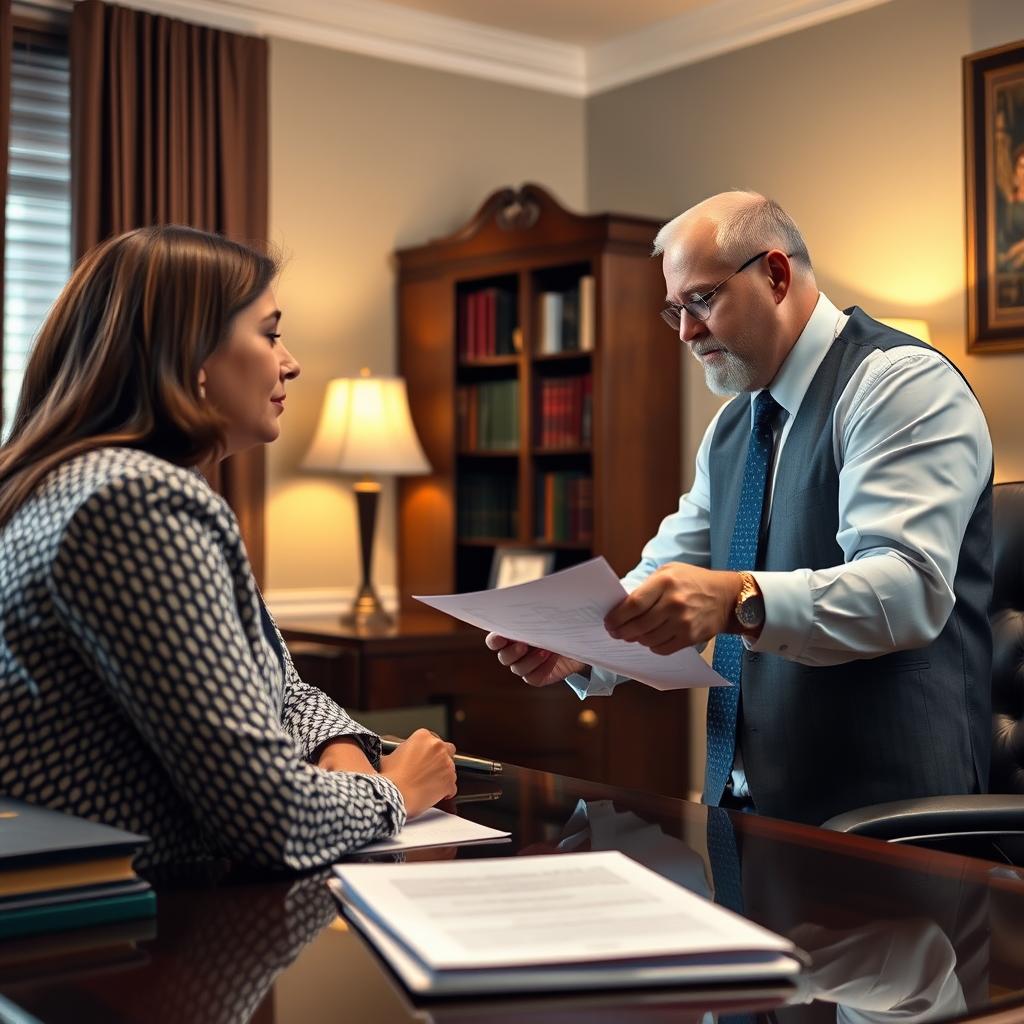
Bringing in and Harboring Aliens lawyer Virginia, VA
Federal charges involving bringing in and harboring aliens are among the most actively prosecuted immigration‑related crimes in Virginia. These cases are brought under 8 U.S.C. § 1324 and are handled exclusively in U.S. District Court—either the Eastern District of Virginia (Alexandria, Richmond, Norfolk, or Newport News divisions) or the Western District of Virginia (Roanoke, Abingdon, and other divisions). The U.S. Attorney’s Office works with federal investigative agencies—including Homeland Security Investigations (HSI), the FBI, and the Drug Enforcement Administration—to build cases that can result in mandatory minimum prison terms, significant fines, and collateral immigration consequences such as deportation or loss of lawful status. Because the federal sentencing scheme is governed by the United States Sentencing Guidelines and parole has been abolished in the federal system since 1987, a conviction usually means serving the full sentence imposed, less limited good‑time credit. Early involvement of an experienced federal criminal defense lawyer is critical—before an indictment is returned, before a detention hearing, and before any statement is made to law enforcement. Law Offices Of SRIS, P.C. provides defense representation in Virginia federal court, built on Mr. Sris’s prosecutorial background and the collaborative work of his Of Counsel team. Reach our location at (888) 437‑7747 to schedule a consultation. Law Offices Of SRIS, P.C. – Advocacy Without Borders.
What Bringing in and Harboring Aliens Means in Virginia
Under 8 U.S.C. § 1324 and related provisions through § 1328, it is a federal offense to knowingly bring, transport, harbor, conceal, or encourage an alien to enter or remain in the United States in violation of law. The statute covers a broad range of conduct—from smuggling individuals across the border to renting a residence, providing employment, or offering shelter with knowledge that the person lacks lawful status. Crucially, the government is not required to prove a profit motive for every offense category, though certain subsections carry heightened penalties when the conduct is for commercial gain or involves serious bodily injury or death.
In Virginia, these cases often arise from ICE investigation sweeps, worksite enforcement actions, or traffic stops that uncover passengers with no legal authorization. Because Virginia includes major interstate corridors—I‑95, I‑81, and I‑64—as well as the Port of Virginia, investigative activity is concentrated. Cases filed in the Eastern District are typically heard at the Albert V. Bryan U.S. Courthouse in Alexandria or the Spottswood W. Robinson III and Robert R. Merhige, Jr. Courthouse in Richmond, while those in the Western District go before judges in Roanoke or Abingdon. Federal magistrates handle initial appearances and detention hearings. A defendant may face detention without bond if the government demonstrates risk of flight or danger; immigration hold (ICE detainer) is independent of the criminal bond determination, adding a layer of complexity.
The federal system operates under the United States Sentencing Guidelines, which calculate a recommended sentencing range based on the offense level, defendant’s criminal history, and any aggravating or mitigating factors. For alien‑smuggling/harboring offenses, the base offense level and enhancements consider the number of aliens, the presence of minors, bodily harm, and financial motivation. Mandatory minimum prison terms apply in certain situations—for example, when the offense results in death, or when the defendant transports an alien knowing the alien will be placed in life‑threatening conditions. The absence of parole means even a modest sentence is served almost in its entirety. Because a federal conviction also triggers removal proceedings, the stakes are extraordinarily high beyond the criminal penalty. Legal guidance obtained early—before speaking with investigators and before a complaint is filed—often makes a material difference.
How Mr. Sris and His Of Counsel Handle Federal Bringing in and Harboring Aliens Cases
Mr. Sris, drawing on his former‑prosecutor experience, works together with his Of Counsel team to mount a defense that scrutinizes every stage of the government’s case—from the initial investigation to sentencing. The process frequently begins with a pre‑indictment investigation: a target or subject may be contacted by HSI agents or may receive a target letter. In that period, counsel can intervene to prevent self‑incrimination, examine potential defenses, and, in some instances, negotiate with the U.S. Attorney’s Office to avoid indictment altogether or to narrow the charges.
Once an indictment is returned, the team reviews the evidence under Federal Rule of Criminal Procedure 16, motions practice, and when appropriate, challenges to the sufficiency of the evidence or the legality of the investigation. Because many harboring cases involve custodial interrogations, search warrants, and confidential‑informant testimony, a thorough investigation of law‑enforcement conduct is essential. The Of Counsel team also evaluates the government’s compliance with Brady obligations and any Giglio material concerning agency witnesses.
In Virginia federal court, pretrial motion practice is a key lever: motions to suppress evidence, to sever defendants, or to exclude prejudicial testimony can narrow the scope of the trial and shift settlement posture. When a negotiated resolution serves the client’s best interests, the team advocates for charge reductions, sentencing‑factor stipulations, and safety‑valve or substantial‑assistance departures in appropriate cases. At trial, the combined litigation experience of Mr. Sris and his Of Counsel is directed toward challenging the government’s proof of knowledge, intent, and the critical element that the alien was indeed unauthorized and that the defendant acted with the requisite mental state.
Finally, at sentencing, the defense presents a comprehensive mitigation package addressing the guidelines calculation, the availability of downward departures, and the factors listed in 18 U.S.C. § 3553(a). The goal throughout is to protect the client’s liberty, immigration status, and future. Mr. Sris and his Of Counsel bring extensive combined legal experience. Results may vary.
About Mr. Sris and His Of Counsel Team
Mr. Sris, Owner and Founder of Law Offices Of SRIS, P.C., is a former prosecutor with trial‑tested insight into the methods and strategies the government employs. He founded the firm in 1997 and has spent his career focused on criminal defense, including handling matters in Virginia federal court and the four other jurisdictions where he is admitted: Maryland, the District of Columbia, New Jersey, and New York. His testimony before the Virginia House Courts of Justice Committee in support of 2019 HB 635 (chief patron Del. David Bulova) reflects his deep engagement with Virginia law. Mr. Sris keeps his caseload deliberately manageable so that each client receives careful, hands‑on attention, while the Of Counsel team—comprised of litigators engaged through Excella—provides additional depth in complex federal matters.
The Of Counsel attorneys who assist in federal criminal defense include practitioners with extensive trial experience and in‑depth knowledge of the Eastern and Western Districts. The collaborative model means a client benefits from multiple legal perspectives without the overhead‑driven pressure of a large‑firm assembly line. From the initial intake call through jury trial or negotiated resolution, the team works as a unit, ensuring that every procedural deadline, every piece of discovery, and every strategic angle is addressed.
Frequently Asked Questions
What is the federal crime of bringing in and harboring aliens?
Bringing in and harboring aliens, prosecuted under 8 U.S.C. § 1324, involves knowingly assisting an unauthorized person to enter, remain in, or travel within the United States. The statute covers a range of conduct, including transporting, concealing, harboring, or encouraging an alien to reside in the country illegally. The government does not always need to show a financial motive; simply providing shelter can be enough if the person knows the alien’s status. Because it is a federal offense, charges are brought in U.S. District Court and investigated by agencies such as HSI and the FBI.
What should I do if I am being investigated for bringing in and harboring aliens in Virginia?
If you believe you are under investigation, do not speak with federal agents without an attorney present, and preserve all relevant documents. Early contact with a Virginia federal criminal defense lawyer allows immediate assessment of the investigation’s scope and the potential for pre‑indictment intervention. Retaining counsel before any interview is critical, because statements made to agents can be used to support a criminal complaint and later an indictment. For a consultation, reach Mr. Sris and his Of Counsel at (888) 437‑7747.
How does a Virginia lawyer defend against bringing in and harboring aliens charges?
A defense may challenge the government’s proof that the defendant knew the alien was unauthorized or that the defendant’s conduct fit the statutory definition of “harboring” or “transporting.” Counsel also examines the legality of stops, searches, and interrogations—suppression of evidence can result if law enforcement violated the Fourth or Fifth Amendments. In addition, the defense may negotiate with the prosecutor for a charge reduction or a favorable plea agreement, and at sentencing present mitigation arguments regarding the guidelines range. Each defense is tailored to the specific facts, the volume of evidence, and the defendant’s immigration status.
What penalties apply for a conviction under 8 U.S.C. § 1324 in Virginia federal court?
Penalties range from a term of imprisonment—carrying mandatory minimums in certain circumstances—to substantial fines and supervised release. The United States Sentencing Guidelines provide a recommended range that grows with the number of aliens, whether commercial gain was involved, and whether anyone was injured. Federal law has abolished parole, so a defendant serves the bulk of the court‑imposed sentence. Additionally, a conviction frequently makes a non‑citizen deportable or inadmissible; immigration consequences are separate from the criminal case and must be addressed early. To discuss the details of your matter, contact Law Offices Of SRIS, P.C. at (888) 437‑7747.
Do I need a Virginia federal criminal defense attorney if I am charged with alien harboring?
Yes, because federal criminal procedure is distinct from state court, and the consequences of a conviction are severe. Federal cases involve complex sentencing guidelines, detention standards, and rules of evidence. A lawyer with experience in Virginia federal courts understands the tendencies of the local U.S. Attorney’s Office, the judges in the Eastern and Western Districts, and the logistical demands of appearing in multiple divisions. Mr. Sris and his Of Counsel appear regularly in federal court and work to build a defense strategy from the earliest possible stage.
What is the typical timeline for a federal harboring case in Virginia?
The timeline varies depending on the complexity of the investigation, the number of defendants, and the court’s calendar. Under the Speedy Trial Act, there are statutory time limits for filing an indictment after arrest and for commencing trial after indictment, but many periods are excludable—for example, when hearing motions or when the defense seeks a continuance. Complex conspiracy or multi‑defendant cases often extend beyond a year. Early engagement allows counsel to influence the pace and direction of the proceedings.
Also Serving These Virginia Jurisdictions
Our federal criminal defense practice regularly appears before the U.S. District Courts in both the Eastern and Western Districts of Virginia. For more detailed locality‑specific information, visit:
- Fairfax County federal criminal lawyer
- Richmond federal criminal lawyer
- Alexandria federal criminal lawyer
- Norfolk federal criminal lawyer
- Roanoke federal criminal lawyer
Official Virginia Federal Court Resources
These primary‑source websites provide docket information, court rules, and local procedures relevant to federal criminal cases in Virginia:
- U.S. District Court for the Eastern District of Virginia
- U.S. District Court for the Western District of Virginia
- 8 U.S.C. § 1324 — Bringing in and harboring certain aliens
Attorney advertising. Prior results do not guarantee a similar outcome. Results may vary.
Case results depend on a variety of factors unique to each case.