
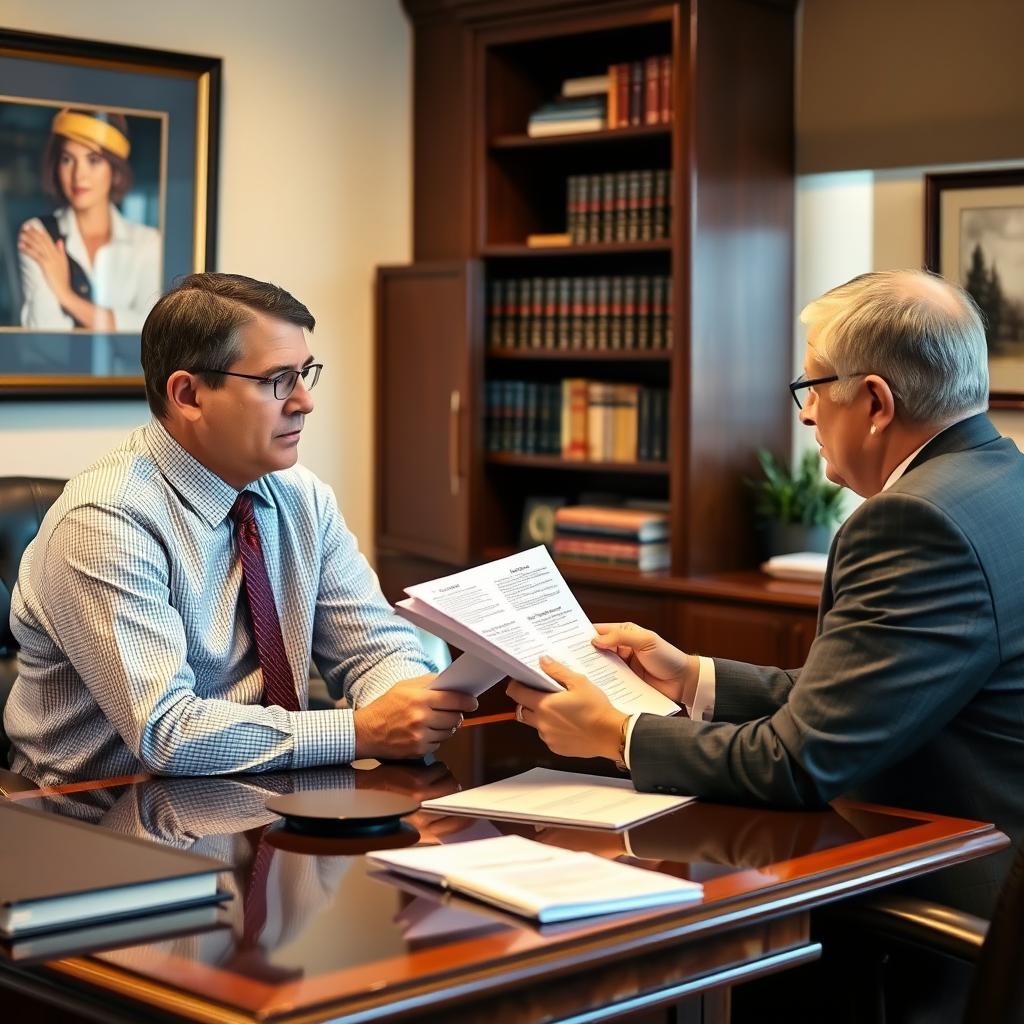
CFAA Violations lawyer Fauquier County, VA
Federal criminal investigations involving computer systems can feel overwhelming, especially when they reach into communities like Fauquier County. The Computer Fraud and Abuse Act, codified at 18 U.S.C. § 1030, makes it a federal crime to access a protected computer without authorization, traffic in passwords, or cause damage to a computer system. Prosecutions under this statute are handled by the United States Attorney’s Office for the Eastern District of Virginia, a district with a reputation for moving cases swiftly and seeking substantial sentences. When someone in Warrenton, Bealeton, Marshall, or elsewhere in Fauquier County faces a CFAA investigation or indictment, understanding how federal court works—and who can help—makes a material difference. Law Offices Of SRIS, P.C., with a Fairfax Location serving clients throughout Northern Virginia, brings extensive experience to federal criminal defense. Mr. Sris, Owner and Founder of the firm, and the firm’s Of Counsel attorneys work with individuals and businesses named in federal computer-crime matters at every stage, from the initial appearance through trial. To discuss your situation, reach the firm at (888) 437-7747. Law Offices Of SRIS, P.C. – Advocacy Without Borders.
What CFAA Violations Means in Fauquier County
Fauquier County lies within the Eastern District of Virginia, one of the most active federal districts in the country. The U.S. District Court for the Eastern District of Virginia hears cases in Alexandria, Richmond, Norfolk, and Newport News. For Fauquier County residents, the Alexandria courthouse is typically the most accessible. Federal prosecutors in the Eastern District handle a high volume of white-collar and cybercrime cases, and they bring significant resources—investigative agencies such as the FBI, the Secret Service, and other federal task forces are often involved in building a CFAA case. The CFAA itself covers a range of conduct: unauthorized access to a government, financial, or protected computer; trafficking in passwords or access credentials; transmitting code that intentionally causes damage; and other acts affecting protected computers. Because a “protected computer” under the statute is broadly defined to include any computer used in or affecting interstate or foreign commerce, a wide array of devices and networks can fall under federal jurisdiction. This means that what might appear to be a local computer incident can quickly become a federal prosecution.
The stakes in a CFAA matter are high. A conviction can carry a sentence of up to one year for simple unauthorized access, up to ten years for more serious offenses, and up to twenty years for aggravated violations involving substantial damage or national security implications. In addition, the United States Sentencing Guidelines impose complex calculations that weigh the amount of loss, the sophistication of the offense, and the defendant’s role in the conduct. Judges in the Eastern District have significant experience handling computer-crime cases, and they apply the Guidelines and statutory factors in a manner that often results in substantial sentences. For a Fauquier County resident who may never have encountered the federal system before, navigating the procedural landscape—indictment by grand jury, initial appearance before a magistrate judge, detention and bond hearings, pretrial motions practice, and potential trial—requires careful preparation. Law Offices Of SRIS, P.C. understands how CFAA investigations unfold in this district and works with clients to address each stage of the process.
How Mr. Sris and His Of Counsel Handle CFAA Violations Cases
When the firm accepts a CFAA matter, early engagement is a priority. Federal agents often begin an investigation long before an arrest or indictment, and individuals may first learn of the investigation through a search warrant executed at a home or workplace, a grand jury subpoena, or a target letter from the U.S. Attorney’s Office. Mr. Sris and his Of Counsel work to evaluate the government’s theory of the case, identify potential defenses, and, where appropriate, engage with prosecutors before formal charges are filed. This proactive stance can sometimes influence charging decisions or result in a narrower scope of prosecution. The firm draws on extensive combined legal experience between Mr. Sris and his Of Counsel to challenge the evidence, scrutinize the manner in which digital evidence was obtained, and question whether the conduct alleged actually meets each element of the CFAA. Results may vary.
The federal system operates under the Speedy Trial Act and the Federal Rules of Criminal Procedure. After an indictment, the case moves through arraignment, discovery, pretrial motions, and, if no resolution is reached, trial. Throughout this process, the firm works with clients to understand the guidelines range they face, evaluate whether any downward adjustments or departures apply, and prepare for detention hearings where the court will determine whether the individual may remain free pending trial. Federal sentencing involves a thorough presentence investigation report, and the firm helps clients prepare for that report and for the sentencing hearing itself. Because the CFAA often involves complex technical concepts, the firm may also work with forensic experts to analyze computer evidence, verify the accuracy of loss calculations, and challenge the government’s portrayal of the access or damage. Every step is aimed at ensuring the client’s side is fully presented to the court.
About Mr. Sris and His Of Counsel Team
Mr. Sris, Owner and Founder of Law Offices Of SRIS, P.C., has practiced since 1997 and is admitted in Virginia, Maryland, the District of Columbia, New Jersey, and New York. A former prosecutor, he brings firsthand insight into how the government assembles and pursues criminal cases, including those involving computer offenses. He testified before the Virginia House Courts of Justice Committee in support of 2019 HB 635 (chief patron Del. David Bulova). In federal criminal matters, Mr. Sris works alongside the firm’s Of Counsel attorneys, who bring additional perspectives and decades of cumulative courtroom experience. Together, they concentrate on building a thorough defense that holds the prosecution to its burden at every stage. The firm’s Fairfax Location serves clients across Fauquier County and throughout Northern Virginia. To schedule a consultation, call (888) 437-7747.
Frequently Asked Questions
What should I do if I am facing CFAA violations charges in Fauquier County?
If you believe you are under investigation or have been charged with a CFAA violation, do not discuss the facts with anyone other than your attorney. Federal agents and prosecutors can use statements made to friends, colleagues, or on social media. Preserve any documents, emails, and electronic records that may be relevant, but do not alter or delete anything—doing so could lead to additional obstruction charges. Contact a federal criminal defense attorney immediately. The U.S. Attorney’s Office for the Eastern District of Virginia handles cases efficiently, and any delay in securing counsel can limit your options. At Law Offices Of SRIS, P.C., Mr. Sris and his Of Counsel can help you understand the charges, the potential penalties, and the trusted path forward. Call (888) 437-7747 to discuss your situation.
How does an attorney defend against CFAA charges in the Eastern District of Virginia?
A defense against a CFAA charge often begins by examining whether the government can prove each element of the offense beyond a reasonable doubt. The statute requires, for example, that the defendant accessed a “protected computer” without authorization or exceeded authorized access, and that the access caused damage or loss meeting certain thresholds. The firm may challenge the definition of “authorization,” the scope of permission given, whether the computer qualifies as “protected,” or whether the loss calculation meets the statutory threshold. In addition, the firm reviews the manner in which digital evidence was gathered, looking for potential violations of the Fourth Amendment or the Electronic Communications Privacy Act. Mr. Sris and his Of Counsel also negotiate with federal prosecutors, exploring whether a pretrial resolution can reduce the exposure. Each case is different, and the defense strategy is tailored to the specific facts and the client’s goals.
What are the penalties for a CFAA conviction in Virginia federal court?
Penalties under 18 U.S.C. § 1030 vary widely based on the specific subsection charged and the conduct involved. A straightforward unauthorized-access offense under § 1030(a)(2) can carry up to one year in prison, increasing to up to five years if the offense was committed for commercial advantage or financial gain. More serious offenses, such as intentionally causing damage to a protected computer under § 1030(a)(5), can carry up to ten years, and certain aggravated offenses can carry up to twenty years. Fines can be substantial, and the court may also order restitution to victims. The federal system has no parole, although good-time credits may reduce the time actually served. The Sentencing Guidelines heavily influence the ultimate sentence, making it critical to work with counsel who understands how the loss amount, role adjustments, and other factors affect the calculation. For case-specific guidance, contact Law Offices Of SRIS, P.C. at (888) 437-7747.
Do I need a lawyer if I have only been questioned by federal agents?
Yes. Even if you have only been contacted by an FBI agent or another federal investigator, you should speak with an attorney before providing any statement. Federal agents build cases by gathering evidence and interviewing witnesses long before an indictment. Anything you say can and will be used against you. An experienced federal criminal attorney can help you understand what the agents are really looking for, whether you are a witness or a target, and how to protect yourself. Mr. Sris and his Of Counsel at Law Offices Of SRIS, P.C. have experience handling federal inquiries at the earliest stages, including responding to subpoenas, search warrants, and target letters. Early intervention can shape the direction of an investigation and preserve your rights. Call (888) 437-7747 to request a consultation.
How do federal sentencing guidelines apply to CFAA offenses?
The United States Sentencing Guidelines apply a base offense level that increases based on the amount of loss, the number of victims, whether the offense involved sophisticated means, and other specific offense characteristics. For CFAA offenses, the loss table in U.S.S.G. § 2B1.1 is a primary driver of the advisory guideline range. The government must prove the amount of loss by a preponderance of the evidence, and the defense may present its own evidence to contest inflated loss figures. Other factors, such as acceptance of responsibility and, in rare cases, a downward departure for substantial assistance, can reduce the range. While the Guidelines are advisory, federal judges in the Eastern District of Virginia routinely rely on them as the starting point for determining an appropriate sentence. Law Offices Of SRIS, P.C., prepares clients for the presentence interview and sentencing hearing to ensure the court has an accurate picture of the offense and the individual. For a consultation, reach Mr. Sris and his Of Counsel at (888) 437-7747.
Fauquier County Federal Criminal Resources:
- Federal Criminal Lawyer Fairfax County
- Federal Criminal Lawyer Prince William County
- Federal Criminal Lawyer Stafford County
- Federal Criminal Lawyer Loudoun County
- Federal Criminal Lawyer Arlington County
Primary Sources:
- 18 U.S.C. § 1030 – Computer Fraud and Abuse Act
- U.S. District Court for the Eastern District of Virginia
Attorney advertising. Prior results do not guarantee a similar outcome.
Results may vary.
Case results depend on a variety of factors unique to each case.