
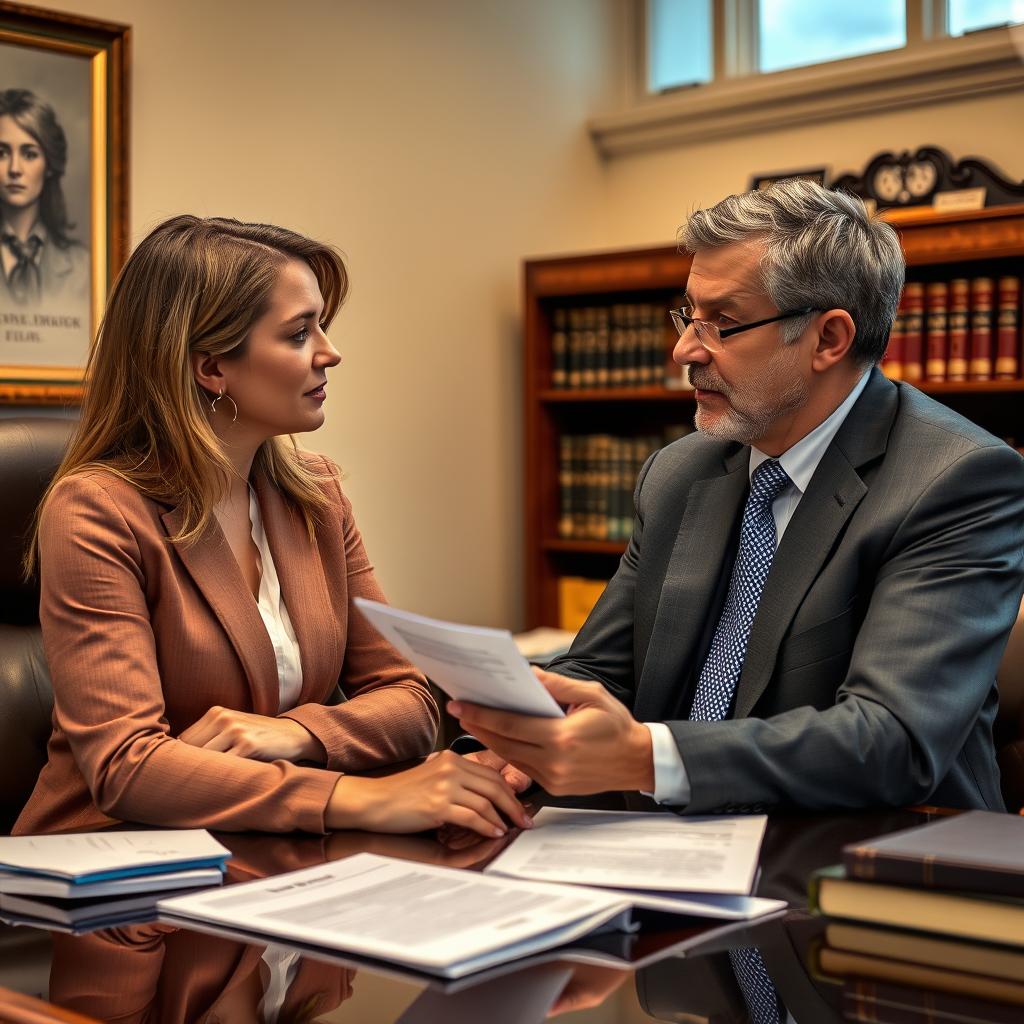
Counterfeiting of Obligations or Securities of the U.S. Lawyer Rappahannock County, VA
Facing a federal charge of counterfeiting obligations or securities of the United States in Rappahannock County, Virginia, can be an overwhelming experience. These offenses are prosecuted actively by the U.S. Attorney’s Office and carry the weight of the federal sentencing guidelines, where meaningful parole has been abolished since 1987. If you or someone you care about has been contacted by federal agents or indicted in the Western District of Virginia, securing experienced legal representation is a critical early step. Law Offices Of SRIS, P.C., founded in 1997, concentrates its federal criminal defense practice on protecting the rights of individuals across Virginia, including residents of Rappahannock County. Reach our location at (888) 437-7747 to request a consultation. Law Offices Of SRIS, P.C. – Advocacy Without Borders.
What a Federal Counterfeiting Charge Means for a Rappahannock County Resident
The federal statute governing counterfeiting of obligations or securities of the U.S., found at 18 U.S.C. §§ 471 through 485, makes it a serious felony to manufacture, pass, possess, or alter any obligation or security of the United States with the intent to defraud. “Obligations” include currency, bonds, and other government-issued financial instruments. A conviction under these provisions can result in a federal prison sentence of up to 20 or 25 years, depending on the specific subsection, in addition to substantial fines and restitution. Because these cases are investigated by agencies such as the United States Secret Service and prosecuted by the U.S. Attorney’s Office for the Western District of Virginia, they demand a defense grounded in the unique procedural rules of federal court.
For a resident of Rappahannock County, a federal counterfeiting case will typically proceed in the U.S. District Court for the Western District of Virginia. While the county’s state-level matters are handled at the Rappahannock County General District Court on Gay Street in Washington, Virginia, federal charges are beyond the jurisdiction of that state tribunal. The Western District of Virginia has divisional courthouses in Roanoke, Charlottesville, Abingdon, Lynchburg, and Harrisonburg, and a defendant from Rappahannock County may be required to appear before a federal magistrate judge at one of those locations for an initial appearance, detention hearing, and subsequent proceedings. Navigating the distance and the unfamiliar federal environment calls for counsel who regularly practices in the federal system and understands how the U.S. Attorney’s Office operates in the Western District.
How Mr. Sris and His Of Counsel Approach Federal Counterfeiting Defense
When Law Offices Of SRIS, P.C. Undertakes a federal counterfeiting defense, the first objectives are to protect the client’s liberty at the detention stage and begin a thorough review of the government’s evidence. Counterfeiting cases often rest on forensic document analysis, surveillance, banking records, and statements made to investigating agents. Mr. Sris and his Of Counsel team scrutinize every piece of that evidence for constitutional or procedural weaknesses: Was there a valid warrant? Was the indictment supported by probable cause? Were the defendant’s rights under the Fifth and Sixth Amendments respected during questioning? The defense strategy is built from these granular assessments, not from a one-size formula.
The federal pretrial process also involves engagement with the Assistant U.S. Attorney assigned to the case. In many situations, an early and informed dialogue can lead to a narrowing of the charges, a favorable bail package, or even a resolution short of trial. Mr. Sris, a former prosecutor, brings firsthand understanding of how the government builds its case, which helps him and his Of Counsel evaluate the prosecution’s position and develop effective counter-strategies. Throughout the proceedings, the team works to ensure that every procedural deadline under the Speedy Trial Act and the Federal Rules of Criminal Procedure is met, and that the client’s interests are vigorously advanced at each appearance, from the arraignment through any necessary trial or sentencing hearing.
About Mr. Sris and His Of Counsel Team
Mr. Sris, Owner and Founder of Law Offices Of SRIS, P.C., is a former prosecutor who has concentrated his practice on criminal defense since founding the firm in 1997. He is admitted to practice in Virginia, Maryland, the District of Columbia, New Jersey, and New York, and regularly appears in federal district courts, including the Western District of Virginia. Mr. Sris testified before the Virginia House Courts of Justice Committee in support of 2019 HB 635 (chief patron Del. David Bulova). His Of Counsel team includes attorneys with extensive trial backgrounds and a thorough understanding of federal criminal practice. Mr. Sris and his Of Counsel bring over 120 years of combined legal experience and 4,739+ documented firm-wide results to the representation of individuals facing serious federal charges. Results may vary.
Frequently Asked Questions
What should I do if I am under investigation for counterfeiting of U.S. Obligations in Rappahannock County?
If you suspect you are under investigation, contact an experienced federal criminal defense attorney immediately and do not make any statements to law enforcement without counsel present. Federal investigators may attempt to interview you before charges are filed, and anything you say can be used against you. Politely decline to answer questions and state that you wish to speak with an attorney. Prompt engagement of counsel allows your legal team to begin preserving evidence, identifying potential witnesses, and, when appropriate, opening a dialogue with the prosecutor to shape the course of the investigation. For Rappahannock County residents, a consultation with a lawyer familiar with the Western District of Virginia can make a significant difference at the earliest stage.
How does a Virginia federal criminal lawyer defend against counterfeiting charges under 18 U.S.C. § 471?
A defense may challenge the sufficiency of the government’s evidence that the accused knew the items were counterfeit and intended to defraud, as well as contest the legality of any search or seizure that produced the evidence. The statute requires the government to prove, beyond a reasonable doubt, that the defendant acted with the specific intent to defraud. If the evidence was obtained through a constitutionally flawed warrant, a motion to suppress can be filed. In addition, the defense may examine whether the alleged “obligations” actually qualify as obligations of the United States under the statute. Federal counterfeiting cases often involve complex documentary evidence; an experienced attorney will retain appropriate forensic experts when necessary to evaluate the authenticity of the items and the reliability of the government’s analysis.
What penalties apply to a conviction for counterfeiting obligations of the U.S. In the Western District of Virginia?
A conviction can result in a sentence of up to 20 or 25 years in federal prison, depending on the specific offense under 18 U.S.C. §§ 471-485, along with substantial fines and a term of supervised release. Sentencing in the federal system is governed by the United States Sentencing Guidelines, which calculate a guideline range based on the offense level and the defendant’s criminal history. The judge has discretion to impose a sentence within the statutory maximum and may consider mitigating factors presented by the defense. Importantly, federal parole was abolished for offenses committed after November 1, 1987, so any prison term will be served without the possibility of early release on parole, though good-time credit of up to 54 days per year may reduce the time served.
Can a counterfeiting charge be reduced or dismissed before trial?
Yes, it is possible for a federal counterfeiting charge to be reduced or dismissed before trial through effective pretrial motion practice or negotiation with the prosecution. A motion to dismiss may be filed if the indictment fails to state an offense, if there was a violation of the statute of limitations, or if a constitutional violation taints the prosecution. Equally, defense counsel may present mitigating evidence to the Assistant U.S. Attorney that persuades the government to amend the charge to a lesser offense or to defer prosecution in an appropriate case. Outcomes depend on the specific facts and the strength of the government’s evidence, and each case is unique. An attorney experienced in the federal courts of the Western District can assess the viability of pretrial resolution strategies.
What is the difference between state and federal counterfeiting charges?
Federal counterfeiting charges involve United States currency or government obligations and are prosecuted in the U.S. District Court, whereas state counterfeiting laws generally cover forged checks, state stamps, or other instruments and are prosecuted in state court. The penalties in the federal system are often more severe, and the procedural landscape—including the Federal Rules of Criminal Procedure and the U.S. Sentencing Guidelines—is distinct from the state process. In Virginia, for example, a person accused of possessing counterfeit U.S. Currency would face federal charges, not a charge in the Rappahannock County General District Court. The investigation is typically led by federal agencies such as the Secret Service, not local police. Federal prosecutors have broad resources, and a conviction carries consequences that extend beyond incarceration, including impacts on employment, professional licensing, and firearm rights.
Do I need a lawyer if I only possessed a small amount of counterfeit currency?
Yes, because even possession of a small amount of counterfeit currency with intent to defraud can sustain a federal felony charge under 18 U.S.C. § 472, and a conviction can have lifelong consequences. There is no minimum amount that must be possessed for a prosecution; the offense is complete when the government proves knowing possession with the requisite intent. Without an attorney, a person charged may inadvertently make incriminating statements or miss critical deadlines that can seriously prejudice the defense. At Law Offices Of SRIS, P.C., Mr. Sris and his Of Counsel team are available to review the allegations and explain the potential consequences and defense options. Reach our location at (888) 437-7747 to schedule a consultation.
How long does a federal counterfeiting case typically take in the Western District of Virginia?
A federal counterfeiting case can take anywhere from several months to well over a year, depending on the complexity of the investigation, the volume of discovery, and whether the case goes to trial. The Speedy Trial Act imposes certain deadlines—generally, an indictment must be returned within 30 days of arrest, and trial must commence within 70 days of indictment—but many delays are excludable, such as those resulting from pretrial motions or the defense’s need to prepare. Cases resolved by a plea agreement often conclude more quickly, while contested cases that involve expert testimony on document analysis, forensic accounting, or digital evidence can extend significantly. An experienced federal practitioner can give a clearer timeline once the specific contours of the case are known.
What should I bring to an initial consultation about a federal counterfeiting investigation?
Bring any documents you have received from law enforcement, including subpoenas, search warrants, target letters, or charging documents, as well as a list of potential witnesses and a summary of the events in question. You should also bring any relevant financial records, correspondence, or physical evidence that may be important. Do not destroy or alter any items, as that could lead to additional obstruction charges. The consultation is confidential, and the attorney will use the information to provide an initial assessment of your situation. To schedule a consultation with Mr. Sris and his Of Counsel team, call (888) 437-7747.
Will Mr. Sris is involved in my case if I hire Law Offices Of SRIS and works collaboratively with Of Counsel attorneys, P.C.?
Mr. Sris maintains direct involvement in the firm’s federal criminal matters, working alongside his Of Counsel team to develop the defense strategy and oversee critical stages of the representation. The firm’s structure allows a collaborative approach: Mr. Sris’s experience as a former prosecutor complements the extensive trial experience of his Of Counsel, ensuring that each case receives both strategic direction and thorough preparation. When you retain the firm, you engage the entire team’s resources, with Mr. Sris providing the overall case direction. For a detailed discussion of how your case would be staffed, contact our location at (888) 437-7747.
How does the firm serve clients in rural Rappahannock County?
Law Offices Of SRIS, P.C. represents clients throughout Rappahannock County from its Fairfax location, using remote conferencing technology when appropriate and traveling to federal courthouses in the Western District for all necessary appearances. The firm is accustomed to the logistical considerations of representing individuals in rural Virginia. While the Fairfax location is the primary point of contact, all consultations can be scheduled by phone at (888) 437-7747, and Mr. Sris and his Of Counsel appear as needed before the district and magistrate judges in Roanoke, Charlottesville, and other divisional courts that handle Rappahannock County federal matters. The key communities served include Washington, Sperryville, and Flint Hill, and the firm understands the local context in which these cases arise.
Attorney advertising. Prior results do not guarantee a similar outcome.
Results may vary.
Case results depend on a variety of factors unique to each case.