
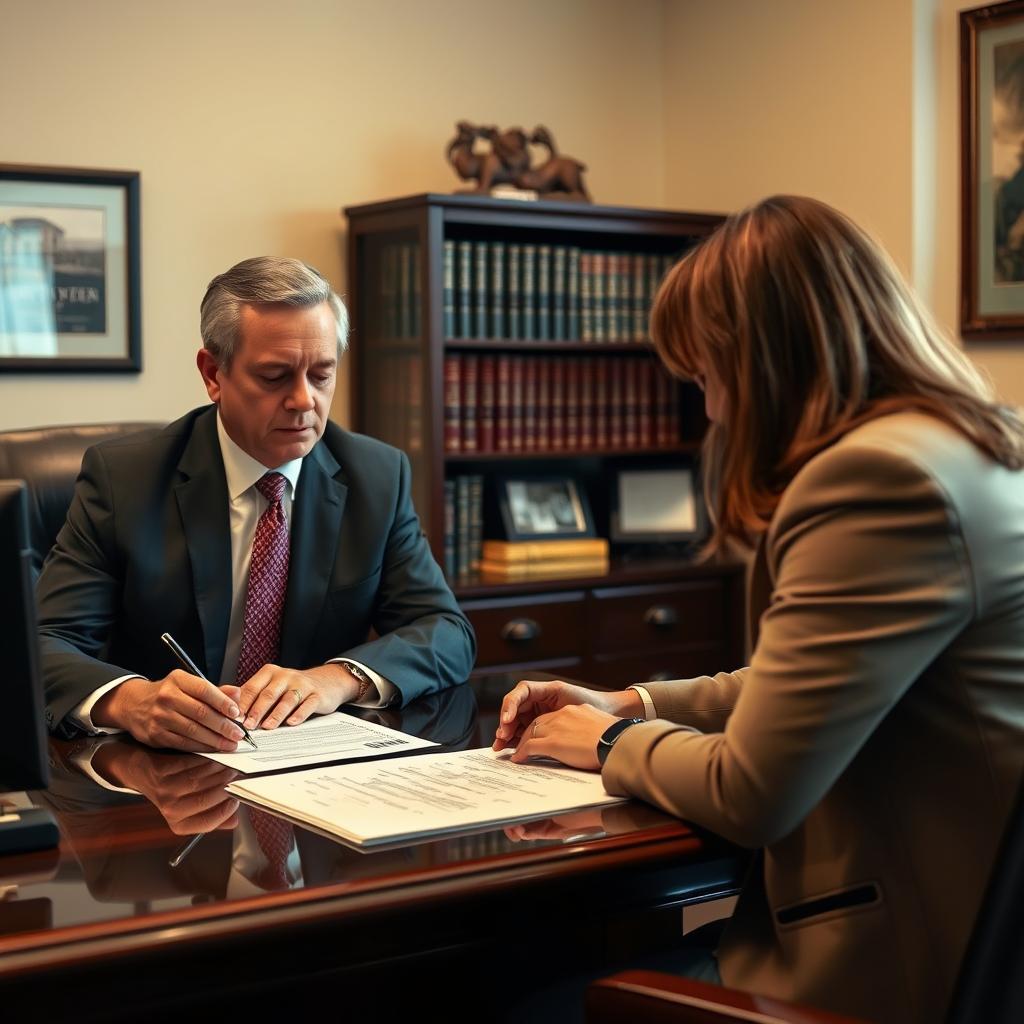
Destruction or Falsification of Records lawyer Virginia, VA
A federal charge for destruction or falsification of records in Virginia triggers an immediate and serious legal process. The U.S. Attorney’s Office for the Eastern District of Virginia—which covers the state’s most populous regions including Northern Virginia, Richmond, and Hampton Roads—or the Western District of Virginia for areas west of the Blue Ridge, prosecutes these offenses under Title 18 of the United States Code. The allegations often arise from investigations by the FBI, DEA, IRS Criminal Investigation, or other federal agencies. If convicted, you face federal sentencing guidelines that allow no parole. The government’s conviction rate in federal court exceeds 90 percent. Early involvement of an experienced federal criminal defense team can be the difference between a manageable resolution and the severe consequences of a full prosecution. Law Offices Of SRIS, P.C., founded in 1997, serves clients across Virginia. Mr. Sris, a former prosecutor, and his Of Counsel have extensive experience in federal criminal defense and appear regularly in the U.S. District Courts for the Eastern and Western Districts of Virginia. To request a consultation, reach our location at (888) 437-7747. Law Offices Of SRIS, P.C. – Advocacy Without Borders.
What Destruction or Falsification of Records Means in Virginia Federal Court
Federal destruction or falsification of records charges typically arise under 18 U.S.C. § 1519 or related sections of the obstruction‑of‑justice statutes. In Virginia, these cases are investigated by federal agencies such as the FBI, DEA, or IRS‑CI and prosecuted by the United States Attorney’s Office in either the Eastern District (main offices in Alexandria, Richmond, Norfolk, and Newport News) or the Western District (offices in Roanoke and Abingdon). The government must prove that the defendant knowingly altered, destroyed, mutilated, concealed, or falsified a record, document, or tangible object with the intent to impede, obstruct, or influence a federal investigation or matter within the jurisdiction of a federal department or agency. The statute reaches a wide range of records—paper documents, electronic files, accounting records, emails, and even physical objects if they constitute records—and the government often relies on forensic computer analysis and financial tracing to build its case.
Potential penalties are determined under the federal sentencing guidelines. Federal sentences tend to be longer than state sentences because the federal system abolished parole in 1987. A conviction may result in imprisonment, followed by a term of supervised release. The guidelines consider the offense level, the defendant’s criminal history, and whether the destruction was part of a larger scheme such as fraud or money laundering. The stakes are especially high for professionals who hold licenses—lawyers, accountants, government contractors, and corporate officers—because a conviction can trigger mandatory reporting, license suspension, and long‑term collateral consequences that extend far beyond any prison term. Because federal prosecutors rely heavily on documentary and electronic evidence, the quality of the defense’s pretrial investigation and motion practice often shapes the outcome.
For a person under federal investigation in Virginia, the location of the case matters. The Eastern District of Virginia is known as the “Rocket Docket” for its rapid pace; cases can move from indictment to trial in a matter of months. The Western District, covering the more rural and mountainous parts of the state, handles a smaller caseload but presents its own procedural demands. Mr. Sris and his Of Counsel are familiar with both districts and understand the local expectations—from attending initial appearances before federal magistrate judges to negotiating with Assistant U.S. Attorneys in the Alexandria, Richmond, and Roanoke divisions. Their approach emphasizes early strategic intervention, careful review of the government’s evidence, and, when appropriate, challenging the sufficiency of the government’s allegations through pretrial motions.
How Mr. Sris and His Of Counsel Handle Federal Destruction or Falsification of Records Cases
When a client first contacts the firm regarding a federal destruction‑of‑records investigation, the immediate goal is to secure counsel‑client privilege and to prevent any statement to investigators that could be used against the client later. Mr. Sris and his Of Counsel immediately begin a parallel investigation—obtaining and preserving records that the government may have overlooked, interviewing potential witnesses, and consulting forensic experts when the case involves digital evidence. Federal agents often seek search warrants for computers, phones, and business premises. Knowing what steps to take immediately after a search—or after receiving a target letter or subpoena—can protect a client’s rights and influence the entire trajectory of the case.
Throughout the pretrial phase, the firm files motions that challenge the admissibility of evidence. In a records‑falsification prosecution, the team scrutinizes whether the government can establish the required intent element. If the record was altered for a reason unrelated to obstructing a federal investigation—for example, routine document retention or a mistake made during a business audit—the defense may seek dismissal or a favorable plea agreement. The firm also evaluates whether any statements were obtained in violation of Miranda, whether the search warrant was overbroad, and whether the prosecution’s forensic analysis is methodologically sound. Even in a case that proceeds toward trial, early motions can narrow the issues and expose weaknesses that lead to a pre‑trial resolution.
If the case goes to trial, Mr. Sris and his Of Counsel draw on their collective experience with federal juries and courtrooms across Virginia. They cross‑examine government witnesses—including forensic accountants, FBI agents, and cooperating witnesses—and present defense witnesses and exhibits to build a theory of the case that counters the government’s narrative. In appropriate circumstances, the firm negotiates with the Assistant U.S. Attorney to explore a pre‑indictment resolution, a deferred prosecution agreement, or a plea to a lesser charge that avoids the harshest mandatory sentencing provisions. Throughout the process, the client is kept informed of realistic options and the likely outcomes under the federal sentencing guidelines.
About Mr. Sris and His Of Counsel Team
Mr. Sris, Owner and Founder of Law Offices Of SRIS, P.C., is a former prosecutor who has practiced federal criminal defense since 1997. His background includes experience with the prosecution’s case‑building methods, which gives him insight into how federal agents and prosecutors approach records‑falsification investigations. Mr. Sris testified before the Virginia House Courts of Justice Committee in support of 2019 HB 635 (chief patron Del. David Bulova). He is admitted to practice in Virginia, Maryland, the District of Columbia, New Jersey, and New York, and he leads the firm’s federal criminal defense team.
Mr. Sris is joined by a team of Of Counsel attorneys who bring additional depth in federal criminal litigation. Together, Mr. Sris and his Of Counsel have extensive combined legal experience in handling federal matters. Results may vary. The firm’s lawyers are admitted in the U.S. District Courts for the Eastern and Western Districts of Virginia, and they appear regularly before federal magistrate and district judges across the Commonwealth. Because the firm does not rely on a large staff of associates, every matter receives the concentrated attention of an experienced attorney who is directly involved in strategic decisions. That structure allows the firm to remain agile and to adapt its defense to the specific factual and legal circumstances of each case. For a confidential consultation about a pending federal investigation or charge, you can reach our location at (888) 437-7747.
Frequently Asked Questions
What should I do if I am facing destruction or falsification of records charges in Virginia?
Contact a federal criminal defense attorney immediately and do not speak with investigators until you have counsel. Preserve all relevant documents, emails, and electronic files—do not delete or alter anything, even if it appears damaging. The government may have already obtained records through a search warrant, but you should avoid any action that could be seen as additional obstruction. An experienced attorney can review the evidence, advise you on potential defenses, and begin communicating with the prosecutor’s office. Early involvement often makes a meaningful difference. Law Offices Of SRIS, P.C. can be reached at (888) 437-7747 for a consultation.
How does a Virginia lawyer defend against destruction or falsification of records charges?
A defense may challenge the sufficiency of the government’s evidence, argue lack of corrupt intent, or seek suppression of evidence obtained through an invalid search. For a charge under 18 U.S.C. § 1519, the government must prove the defendant acted with the specific intent to obstruct a federal investigation. If the record was altered as part of normal business practice or a mistake, the defense may contest intent. Motions to suppress can exclude improperly seized documents or statements obtained without Miranda warnings. In some cases, the defense may demonstrate that the records at issue were not within the purview of a federal matter. A tailored defense strategy depends on the facts of the case and the thorough review of the government’s investigative file.
What are the penalties for destruction or falsification of records in Virginia federal court?
A conviction can lead to a significant term of imprisonment, supervised release, and fines under the federal sentencing guidelines. The guidelines calculate a sentencing range based on the offense level and the defendant’s criminal history. Because the federal system has no parole, the defendant serves the bulk of any prison sentence. Aggravating factors—such as the destruction of records in a large‑scale fraud or public‑corruption case—can increase the sentence. Professionals convicted under the statute may face additional collateral consequences including license revocation, debarment from government contracting, and long‑lasting damage to their careers. Every case is fact‑specific, so the actual penalty varies considerably.
Do I need a federal lawyer for destruction of records, or can a state lawyer handle it?
You need a lawyer experienced in federal criminal procedure, because federal court operates under different rules and sentencing guidelines than Virginia state courts. A state criminal defense attorney who does not regularly practice in federal court may be unfamiliar with the grand jury process, the federal pretrial detention statute, the U.S. Sentencing Guidelines, and the rules of evidence unique to federal practice. A federal‑records charge requires an understanding of the government’s burden of proof, the tactics of federal prosecutors, and the procedural levers available to challenge evidence. Mr. Sris and his Of Counsel concentrate their practice in federal criminal defense and appear in all divisions of the Eastern and Western Districts of Virginia.
How long does a federal destruction of records case take in Virginia?
The timeline varies from case to case and can range from a few months to more than two years depending on complexity and whether the case goes to trial. The Speedy Trial Act generally requires an indictment within 30 days of arrest and trial within 70 days of indictment, but courts routinely exclude periods for motions, discovery, and other delays. Complex document‑intensive cases move more slowly because the government must produce, and the defense must review, vast amounts of electronic and paper records. A plea agreement can resolve the matter within months, while a trial that involves expert witnesses and voluminous evidence can extend well beyond a year. Each stage is subject to the court’s calendar and the negotiations between counsel.
How much does a federal criminal lawyer cost in Virginia?
Fees vary widely depending on the complexity of the case, the stage at which counsel is retained, and the resources required for a complete defense. A straightforward pre‑indictment representation may cost less than a multi‑defendant trial that lasts several weeks. Most federal criminal defense firms, including Law Offices Of SRIS, P.C., tailor their fee arrangements to the demands of the individual matter. During an initial consultation, the attorney can discuss the estimated scope of the work and the fee structure. The firm accepts payment by major credit cards, cash, check, and, in appropriate cases, offers payment plans. Contact us at (888) 437-7747 to schedule a consultation.
Additional federal criminal defense pages for Virginia: federal criminal defense hub; Fairfax County federal crimes attorney; Prince William County federal defense; conspiracy defense in Virginia federal court.
Primary legal authorities: U.S. Code Title 18; U.S. Sentencing Commission Guidelines Manual; U.S. District Court for the Eastern District of Virginia.
Attorney advertising. Prior results do not guarantee a similar outcome. Results may vary.
Case results depend on a variety of factors unique to each case.