
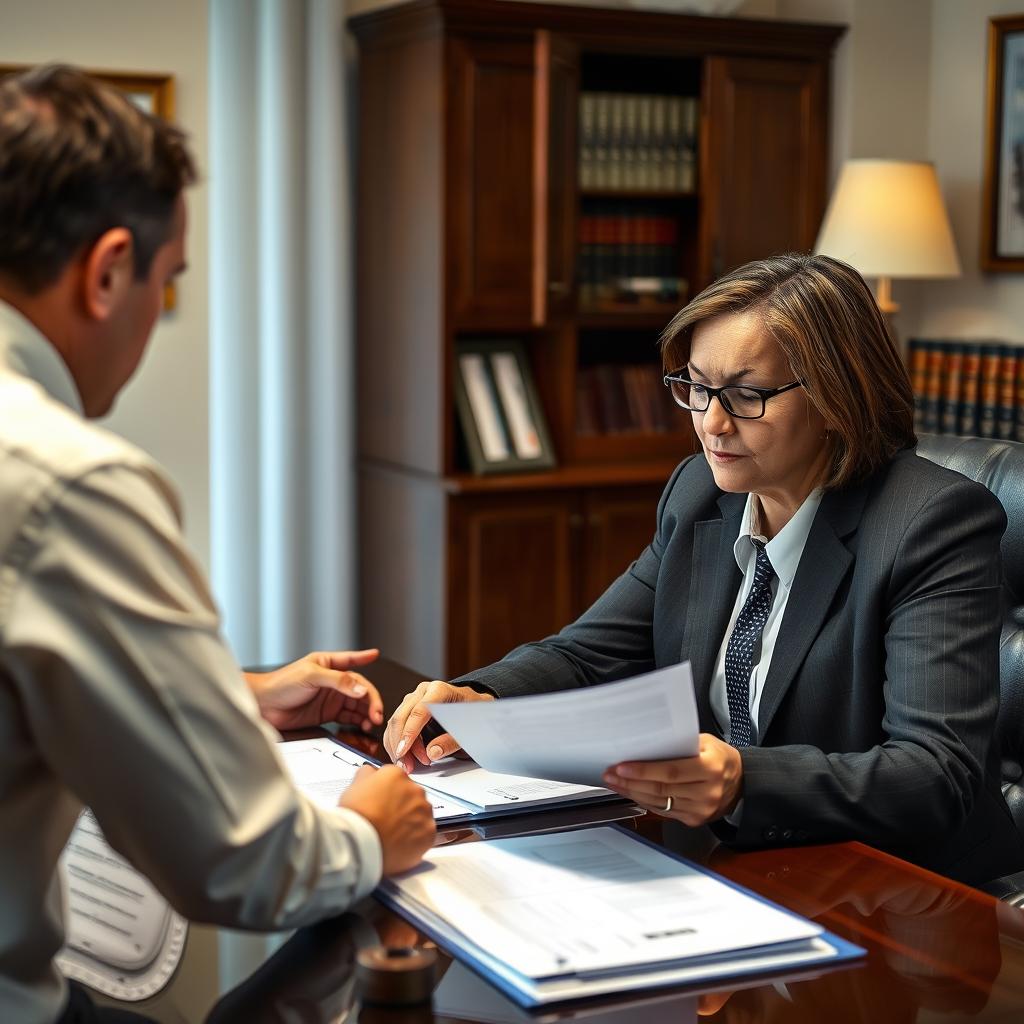
Trafficking in Counterfeit Goods lawyer Rockingham County, VA
Federal agents arrived at a Harrisonburg warehouse early one morning, executing a search warrant alleging the distribution of counterfeit luxury goods across state lines. The business owner, facing potential trafficking in counterfeit goods charges under 18 U.S.C. § 2320, had never been through a federal investigation before. When the U.S. Attorney’s Office for the Western District of Virginia brings charges like these, the stakes are immediate: federal sentencing guidelines, the absence of parole, and an investigation that may have been underway for months before the first knock on the door. For people in Rockingham County who find themselves in that position, experienced federal defense counsel is critical from the earliest stage. Reach Law Offices Of SRIS, P.C. at (888) 437-7747 to request a consultation. Law Offices Of SRIS, P.C. – Advocacy Without Borders.
Defense Strategy Options for Trafficking in Counterfeit Goods Charges
Federal trafficking in counterfeit goods cases often turn on evidence gathered through search warrants, undercover purchases, and financial records. A defense strategy may begin with examining whether the government established probable cause for any search or seizure, and whether the evidence the government intends to use was lawfully obtained. There may be grounds to challenge the connection between the defendant and the allegedly counterfeit items, particularly when the accused is a business owner or manager who did not personally handle the goods in question. In some situations, the defense focuses on whether the goods are actually counterfeit within the meaning of the statute, or whether the defendant had the requisite knowledge and intent—a prosecution must typically prove that the accused acted intentionally or with willful blindness, not merely negligently. Mr. Sris and the firm’s Of Counsel attorneys evaluate each element of the government’s case, looking for factual and legal weaknesses that can be raised in pretrial motions or during plea negotiations. Because federal prosecutors often file multiple related charges, the defense may also seek to narrow the case by moving to dismiss or sever counts.
What to Expect When Facing Federal Trafficking Charges in Virginia
Federal criminal proceedings in the Western District of Virginia generally begin with an initial appearance before a magistrate judge in Harrisonburg, where the defendant is advised of the charges and the issue of pretrial detention is addressed. If the case proceeds, a grand jury indictment follows, and the defendant is arraigned. Throughout the pretrial phase, discovery is exchanged, and the defense may file motions to suppress evidence or to compel additional disclosures from the government. The Speedy Trial Act imposes certain timeframes, though many delays are excludable, and the overall timeline varies with the complexity of the case. Trial takes place in the U.S. District Court for the Western District of Virginia, Harrisonburg Division, located at 116 N Main Street. If a conviction occurs, sentencing is governed by the United States Sentencing Guidelines, which the court considers along with factors set out in 18 U.S.C. § 3553(a). There is no parole in the federal system, though good-time credits can reduce the time actually served. Contact Law Offices Of SRIS, P.C. at (888) 437-7747 to discuss your situation with counsel familiar with federal practice in this district.
Penalties for Federal Trafficking in Counterfeit Goods
Under 18 U.S.C. § 2320, trafficking in counterfeit goods is punishable by imprisonment, fines, and forfeiture of the counterfeit articles and any property used to commit or facilitate the offense. The maximum term of imprisonment depends on the circumstances—for a first offense without bodily injury, the statutory maximum is 10 years; if the violation involves a counterfeit drug or the defendant knowingly or recklessly causes or attempts to cause serious bodily injury, the maximum can reach 20 years or, in cases involving death, life imprisonment. Fines may be substantial, and individuals convicted of a felony must also pay a mandatory special assessment. In addition to criminal penalties, a conviction can have collateral consequences such as restrictions on professional licenses, damage to business reputation, and immigration consequences for non-citizens. Because the range of possible outcomes is broad, an attorney who knows the federal sentencing landscape can make a meaningful difference in how the guidelines are calculated and what arguments are presented at a sentencing hearing.
About Mr. Sris and the Firm’s Of Counsel Attorneys
Mr. Sris, Owner and Founder of Law Offices Of SRIS, P.C., practices federal criminal defense in Virginia, Maryland, the District of Columbia, New Jersey, and New York. Mr. Sris testified before the Virginia House Courts of Justice Committee in support of 2019 HB 635 (chief patron Del. David Bulova). The firm’s Of Counsel attorneys bring extensive combined legal experience, and they work alongside Mr. Sris in preparing and presenting federal criminal matters. Every Of Counsel attorney contracts directly with the firm and is admitted to practice in state and federal courts. The firm’s Shenandoah / Woodstock location serves Rockingham County and the surrounding Shenandoah Valley, with convenient access to the federal courthouse in Harrisonburg. To speak with an attorney about a trafficking in counterfeit goods matter, call (888) 437-7747.
Frequently Asked Questions About Trafficking in Counterfeit Goods Defense in Rockingham County
How does a Virginia lawyer defend against trafficking in counterfeit goods charges?
Defense strategies for trafficking in counterfeit goods in Virginia may include challenging the legality of the search and seizure, examining the sufficiency of the government’s proof that the goods are counterfeit, and disputing the defendant’s knowledge or intent. An attorney also evaluates whether the accused can be identified as the person responsible for the trafficking activity, and whether any statements made to investigators were obtained in compliance with federal constitutional requirements. Depending on the facts, the defense may seek to exclude evidence, negotiate a plea to a lesser charge, or prepare the case for trial.
What should I do if I am facing trafficking in counterfeit goods charges in Virginia?
If you are facing a federal investigation or indictment for trafficking in counterfeit goods, you should contact an experienced federal criminal defense attorney immediately and refrain from discussing the matter with anyone other than your lawyer. Preserve any documents, records, or electronic data that may be relevant, but do not alter or destroy anything—doing so can lead to obstruction charges. An attorney can communicate with federal agents on your behalf and help you understand the charges, the potential penalties, and the procedural steps ahead.
Where are federal trafficking cases heard for Rockingham County?
Federal criminal cases arising in Rockingham County are typically heard in the U.S. District Court for the Western District of Virginia, Harrisonburg Division. The courthouse is located at 116 N Main Street, Harrisonburg. Initial appearances, detention hearings, and some pretrial matters are handled by a federal magistrate judge; felony trials and sentencing are presided over by a U.S. District Judge. The Harrisonburg division serves several counties in the central Shenandoah Valley.
What federal agency investigates counterfeit goods trafficking?
The primary investigative agencies for federal trafficking in counterfeit goods are the FBI, Homeland Security Investigations (HSI), and the U.S. Postal Inspection Service, often working with state and local law enforcement. These agencies may use undercover operations, controlled purchases, and financial analysis to build a case. Investigations can last many months before charges are filed, and evidence may include surveillance records, shipping documents, bank statements, and communications.
Can I go to jail for trafficking in counterfeit goods?
Yes, a conviction for trafficking in counterfeit goods under 18 U.S.C. § 2320 can result in a federal prison sentence. The actual sentence depends on the specific offense level under the United States Sentencing Guidelines, the value of the infringing items, whether the defendant has a prior criminal record, and whether the offense involved counterfeit drugs or caused bodily injury. The court has discretion to impose a sentence within the statutory range based on all the circumstances of the case.
Do I need a lawyer if I am only under investigation and not yet charged?
Yes, retaining an attorney at the investigation stage is one of the most important decisions you can make. An attorney can intervene before charges are filed by communicating with the prosecutor, seeking to narrow the scope of an investigation, and protecting your rights during any search or questioning. Early representation may also create opportunities to resolve the matter without an indictment or with reduced charges.
Does the government have to prove I knew the goods were counterfeit?
To convict someone of trafficking in counterfeit goods, the government must generally prove that the defendant acted intentionally—that is, that the person knew the goods were counterfeit or was willfully blind to that fact. Mere negligence or a mistake about the authenticity of the items is usually not enough. An attorney will scrutinize the evidence of knowledge, such as whether suppliers provided certificates of authenticity, whether the defendant conducted due diligence, or whether pricing circumstances should have alerted the defendant to the nature of the goods.
What is the role of the U.S. Attorney’s Office in these cases?
The U.S. Attorney’s Office for the Western District of Virginia is responsible for prosecuting federal crimes, including trafficking in counterfeit goods, in Rockingham County and the surrounding area. Assistant U.S. Attorneys present cases to the grand jury, negotiate plea agreements, and try cases in federal court. Having defense counsel who is familiar with the practices of the local U.S. Attorney’s Office can help in evaluating the government’s position and in negotiating a resolution.
How can a lawyer challenge the valuation of counterfeit goods?
The retail value of the infringing items can significantly affect the sentencing guidelines range; an attorney can challenge the government’s valuation by arguing for a lower market value based on the actual price at which the goods were sold. The defense may present evidence that the items were sold as replicas or at deep discounts, and that the alleged loss to the trademark holder is lower than the government claims. A successful challenge to the valuation can reduce the base offense level under the guidelines.
Where can I find a trafficking in counterfeit goods lawyer near Rockingham County?
You can reach Law Offices Of SRIS, P.C. at (888) 437-7747 to discuss representation with an attorney who handles federal criminal matters in the Western District of Virginia. The firm’s Shenandoah / Woodstock location serves clients in Rockingham County, Harrisonburg, and surrounding communities along the I-81 corridor. Mr. Sris, Owner and Founder, and the firm’s Of Counsel attorneys provide federal defense counsel by appointment.
For additional information, explore our related pages:
Federal Criminal lawyer Clarke County |
Federal Criminal lawyer Shenandoah County |
Federal Criminal lawyer Frederick County |
Federal Criminal lawyer Warren County |
Federal Criminal lawyer Augusta County
Official sources:
U.S. District Court for the Western District of Virginia |
18 U.S.C. § 2320 – Trafficking in Counterfeit Goods |
U.S. Attorney’s Office, Western District of Virginia
Attorney advertising. Prior results do not guarantee a similar outcome. Results may vary. Law Offices Of SRIS, P.C. — (888) 437-7747.
Case results depend on a variety of factors unique to each case.